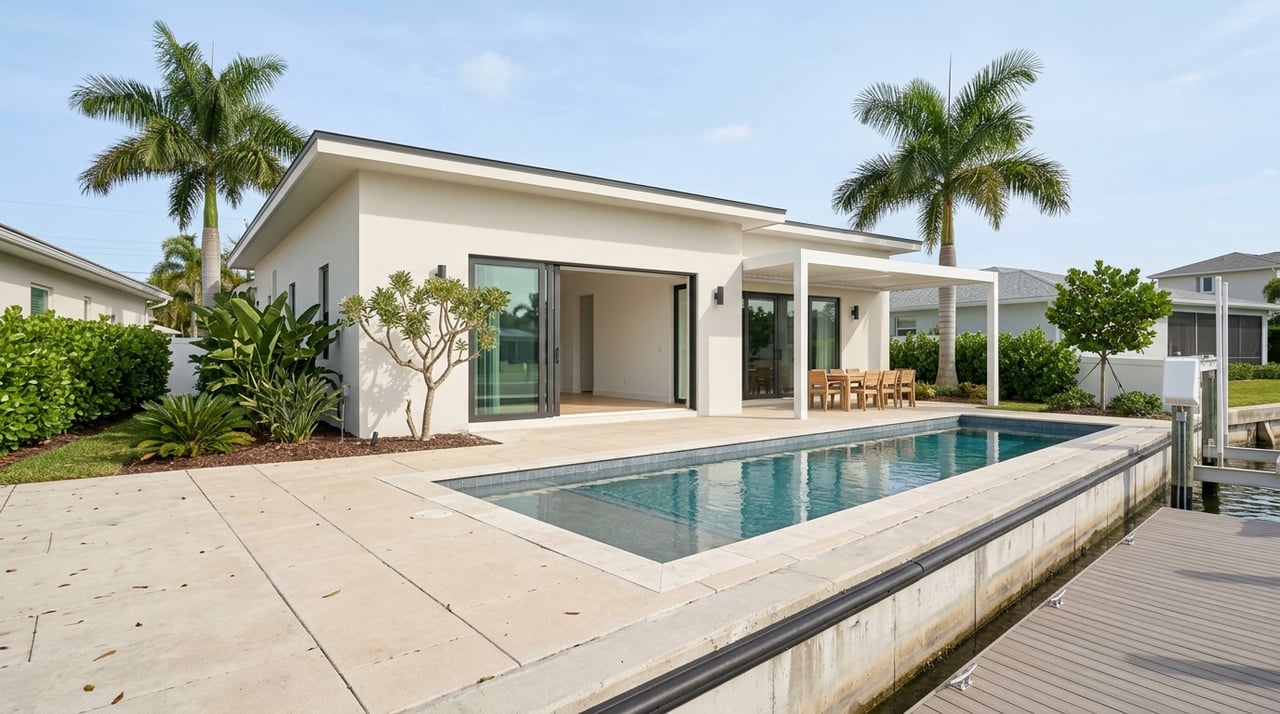
Wondering why two Cape Coral waterfront homes can look almost identical from the street but offer completely different lifestyles once you get to the backyard? That is one of the most important things to understand before you buy on the water here. If you are comparing canal homes, Gulf-access properties, or riverfront estates in Cape Coral, this guide will help you make sense of the home styles, lot types, and layout choices that matter most. Let’s dive in.
Why Cape Coral waterfront homes vary so much
Cape Coral is built around the water. The city’s waterfront guide notes that development began in 1957 and 1958, and today Cape Coral has more than 400 miles of waterways.
That history helps explain why the housing stock feels so mixed. You will find older one-story homes from earlier build periods, remodeled homes with updated interiors, newer custom builds with modern layouts, and larger riverfront properties designed to take full advantage of wider water views.
Just as important, not all waterfront in Cape Coral functions the same way. The city separates freshwater canals from saltwater canal areas with weirs, and those systems serve different purposes. That means a waterfront address alone does not tell you everything you need to know about boating, maintenance, or flood planning.
Four Cape Coral waterfront home styles
Classic waterfront ranches
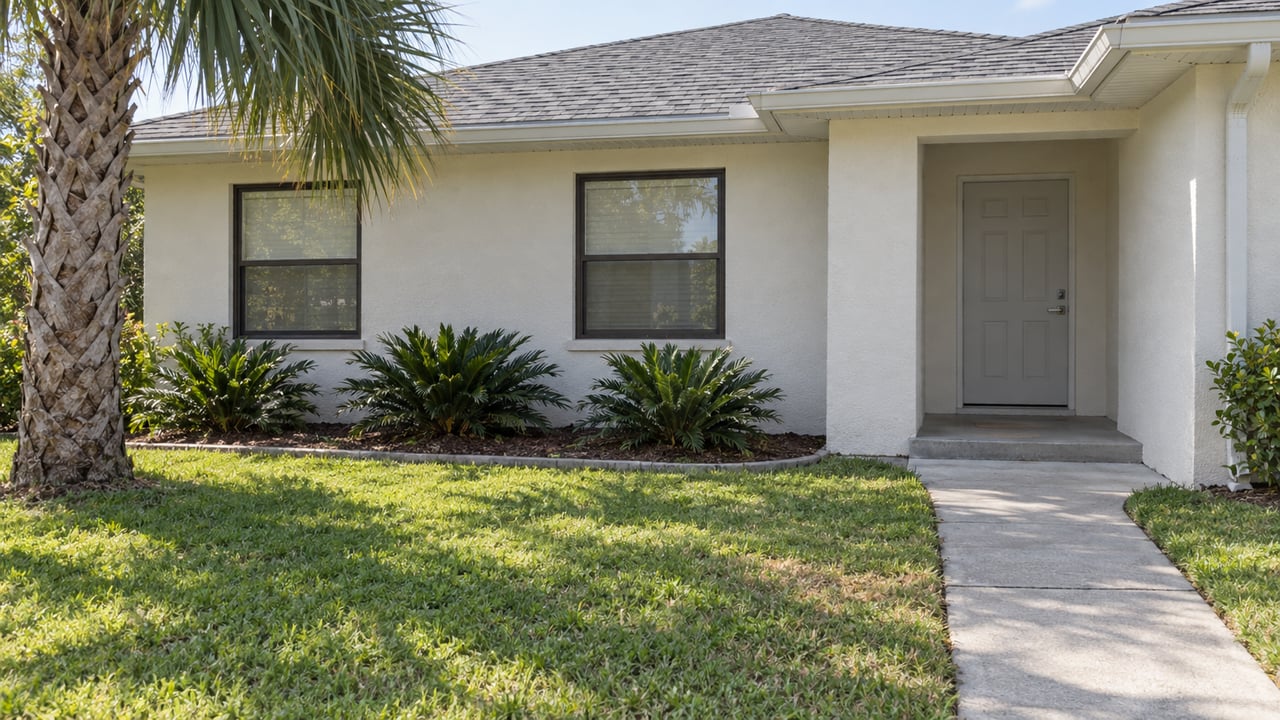
Classic ranch homes are one of the most common waterfront styles you will see in Cape Coral. These homes are usually single-story with straightforward rooflines and a practical footprint that leaves room for a driveway, outdoor living area, and often a pool cage or dock setup.
For many buyers, this style is the easiest entry point into waterfront ownership. Current examples in Cape Coral often include features like a screened lanai, dock, and boat lift, which makes them appealing if you want usable waterfront living without the scale of a larger custom home.
Remodeled mid-century homes
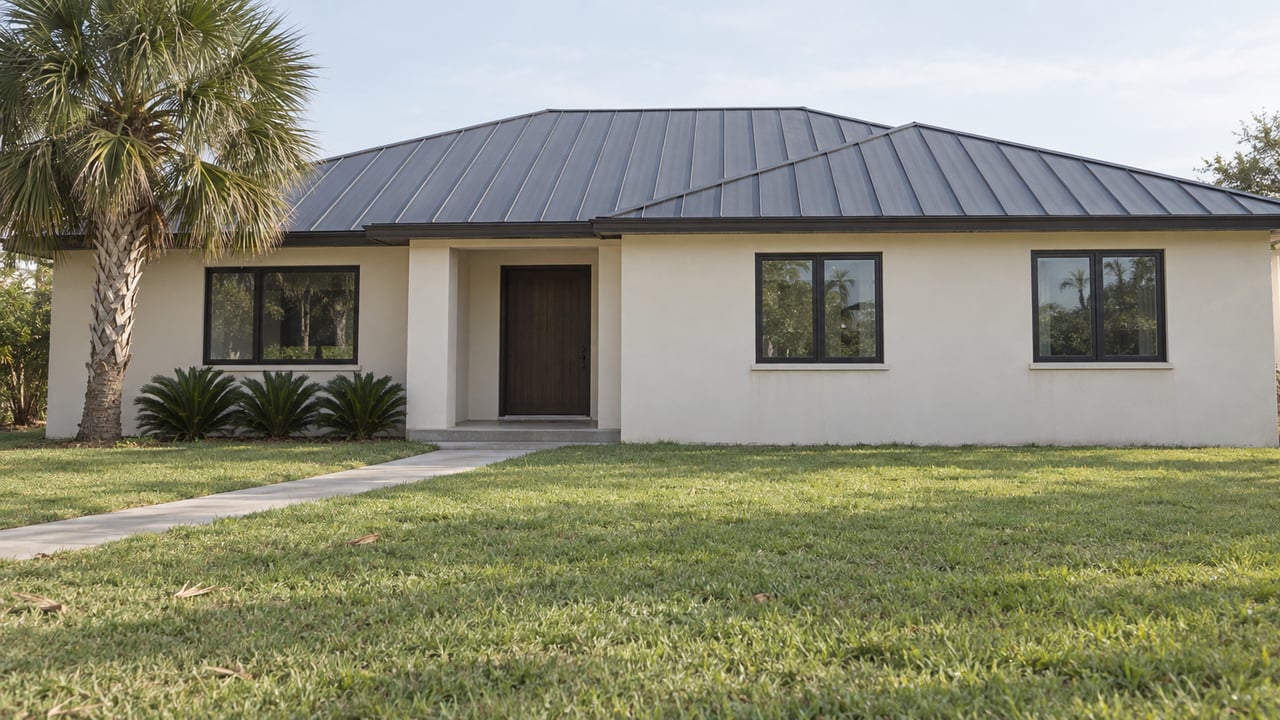
Many older Cape Coral waterfront homes have been updated rather than replaced. These remodeled homes often keep the original one-story structure but open up the interior, expand the kitchen, improve indoor-outdoor flow, and add practical upgrades like impact windows or doors.
This style tends to appeal to buyers who want character with less immediate renovation work. You still get the established lot and original shell, but the layout often feels more current and functional for everyday living or seasonal use.
Newer waterfront builds
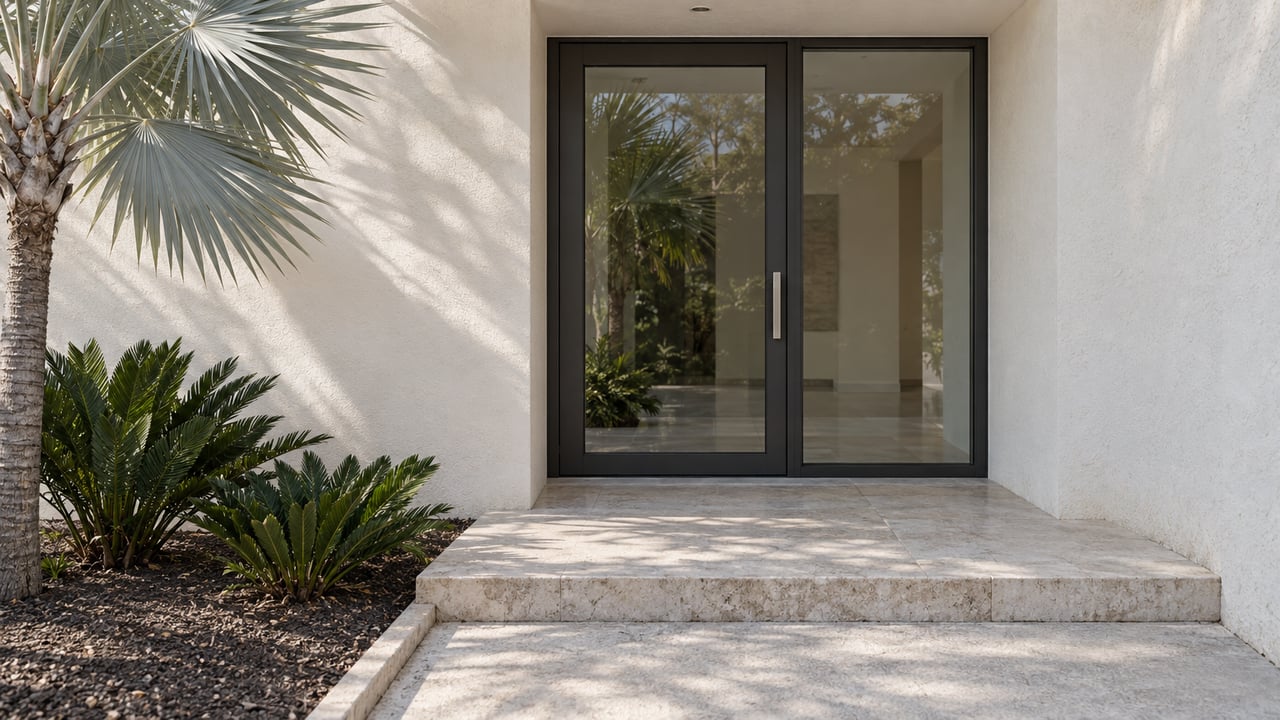
Newer homes in Cape Coral often focus on flow and convenience. Local builder materials commonly feature a central great room, open kitchen, lanai, and a split-bedroom layout or separate primary-suite wing.
In real life, that usually means more storage, a more open feel, and fewer near-term updates. Many newer waterfront homes also include impact glass and larger dock setups, which can be attractive if you want a more turnkey property.
Luxury riverfront estates
Riverfront homes are often a category of their own in Cape Coral. They typically offer larger footprints, taller ceilings, wider water frontage, and more elaborate outdoor spaces and dock systems.
That is not just a market trend. Cape Coral’s residential plan review materials set a larger minimum house size for riverfront lots than for most other residential lots, which helps explain why riverfront homes often feel more estate-like from the start.
Why layout matters as much as style
A home’s style gives you a rough idea of what to expect, but the layout often has a bigger impact on daily life. In Cape Coral, the most useful waterfront layouts usually connect interior living space to the lanai, pool area, and dock with minimal friction.
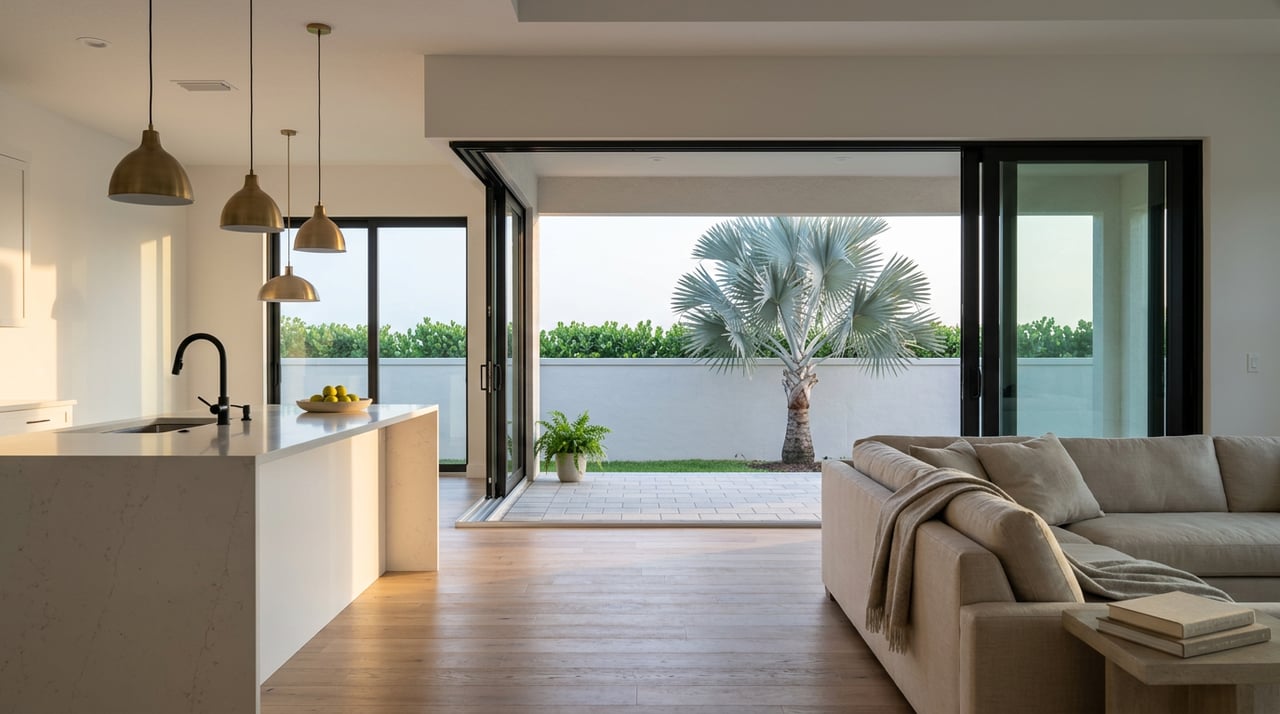
That is one reason newer homes and well-remodeled older homes get so much attention. Open kitchens, great rooms, split-bedroom plans, and large sliders to the lanai tend to support the way many buyers actually want to live on the water.
If you entertain often, a layout with easy outdoor access may matter more than architectural label. If you are buying a second home, storage, impact glass, and a practical single-story floor plan may matter more than dramatic design features.
Canal type changes the lifestyle
Freshwater canal homes
Freshwater canal homes are often best for buyers who want the feel of waterfront living without making boating the main priority. According to city materials, freshwater canals are designed to support flood control, water quality, and irrigation storage.
These homes can be a strong fit if you value water views, wildlife, fishing, or kayaking. The city also states that seawalls are not required on freshwater canals, which can affect both maintenance expectations and property setup.
Saltwater and Gulf-access homes
If your goal is frequent boating, saltwater and Gulf-access canal homes deserve the closest look. The city’s boating information states that many canals have direct access to the Caloosahatchee River and the Gulf.
These properties often carry more appeal for boaters, but they can also involve more complexity. Marine work may require additional approvals, and saltwater conditions usually mean more attention to docks, seawalls, and long-term maintenance.
Riverfront properties
Riverfront homes usually offer the most expansive waterfront experience in Cape Coral. They often provide broader views, larger homesites, and more room for high-end outdoor features and substantial dock systems.
Because the city sets a higher minimum house size for riverfront lots, these properties often skew larger from the beginning. If you want an estate-style waterfront home, riverfront inventory is where that search often starts.
What buyers should compare before choosing a home style
Start with water access
In Cape Coral, water access usually drives value more than the floor plan alone. Two homes with similar square footage can live very differently depending on whether they are on freshwater, saltwater, or riverfront lots.
A key question is simple: what do you want the water to do for you? If you want to boat often, canal type and route matter more than a bonus room or an extra flex space.
Check boating practicality
Not every waterfront home in Cape Coral has Gulf access. The city separates freshwater and saltwater systems, and only some canal routes connect to the river and Gulf.
If boating is a priority, route verification is essential. Cape Coral has 161 bridges, so navigability is not a detail you want to assume.
Look at marine improvements
Dock and boat lift features can make a major difference in how a property functions. They can also affect what work you may need to do after closing.
Cape Coral’s permit guidance requires a marine-improvement application and site plans for boat lift work, and non-freshwater work also requires state approval. If you are comparing homes, existing dock setup and permitting path should be part of the conversation early.
Factor in shoreline maintenance
Waterfront ownership is about more than the house. The city’s waterfront guide notes that saltwater canals can support marine growth such as oysters and barnacles on docks and seawalls, and shoreline stabilization measures like rip rap can also come into play.
In practical terms, saltwater waterfront is usually more maintenance-intensive than freshwater waterfront. That does not make it better or worse, but it does make it different.
Review flood information early
Flood planning should be part of any Cape Coral waterfront search. The city states that flood insurance is available for all Cape Coral properties, and many properties are located in Special Flood Hazard Areas.
The city also notes that properties in A, AE, and V zones receive a 25% flood-insurance discount through Cape Coral’s Community Rating System participation. Buyers can check flood zone, base flood elevation, and design flood elevation through the city portal, and flood map changes took effect in Lee County in November 2022.
How lot shape can affect the layout
In Cape Coral, the lot itself can shape the floor plan just as much as the home style. Corner lots and other complex site configurations may have different setback requirements that change where the house, garage, pool cage, or outdoor kitchen can go.
That matters when you compare two properties that seem similar on paper. A lot’s orientation can directly affect driveway design, backyard usability, and how much room you really have between the house and the water.
Which style fits your goals?
If you want a simpler waterfront entry point, a classic ranch may be the best fit. If you like established homes but want a more modern feel, a remodeled mid-century property may offer the right balance.
If your priority is low-hassle living and updated design, a newer build may make the most sense. If you want wide frontage, deep-water feel, and estate-scale living, a riverfront property will likely stand out.
The most important takeaway is this: in Cape Coral, the label on the home is only part of the story. Canal type, lot layout, boating practicality, flood zone, and dock or seawall considerations often have a bigger impact on how the home actually lives.
When you are comparing waterfront options, it helps to work with someone who understands both the lifestyle side and the technical side of the search. If you are ready to explore the right fit for your goals, Heather Porrett can help you evaluate Cape Coral waterfront homes with clear, local guidance.
FAQs
Do all Cape Coral waterfront homes have Gulf access?
- No. Cape Coral separates freshwater and saltwater canal systems, and only some canal routes connect to the river and Gulf.
Do freshwater canal homes in Cape Coral need seawalls?
- Not always. The city states that seawalls are not required on freshwater canals.
Do Cape Coral dock and boat lift projects need permits?
- Yes. Cape Coral requires a marine-improvement application and site plans, and non-freshwater work also requires state approval.
How do flood maps affect a Cape Coral waterfront purchase?
- Flood maps can affect insurance, building considerations, and long-term planning. Buyers can check flood zone, BFE, and DFE through the city, and Lee County flood maps changed in November 2022.
What is the difference between freshwater and saltwater canals in Cape Coral?
- Freshwater canals are designed for stormwater, water quality, and irrigation storage, while saltwater canal areas connect differently and are more relevant for boating access.
Why are Cape Coral riverfront homes often larger?
- The city’s residential plan review standards set a larger minimum house size for riverfront lots than for most other residential lots, which helps explain why riverfront homes often feel more estate-like.