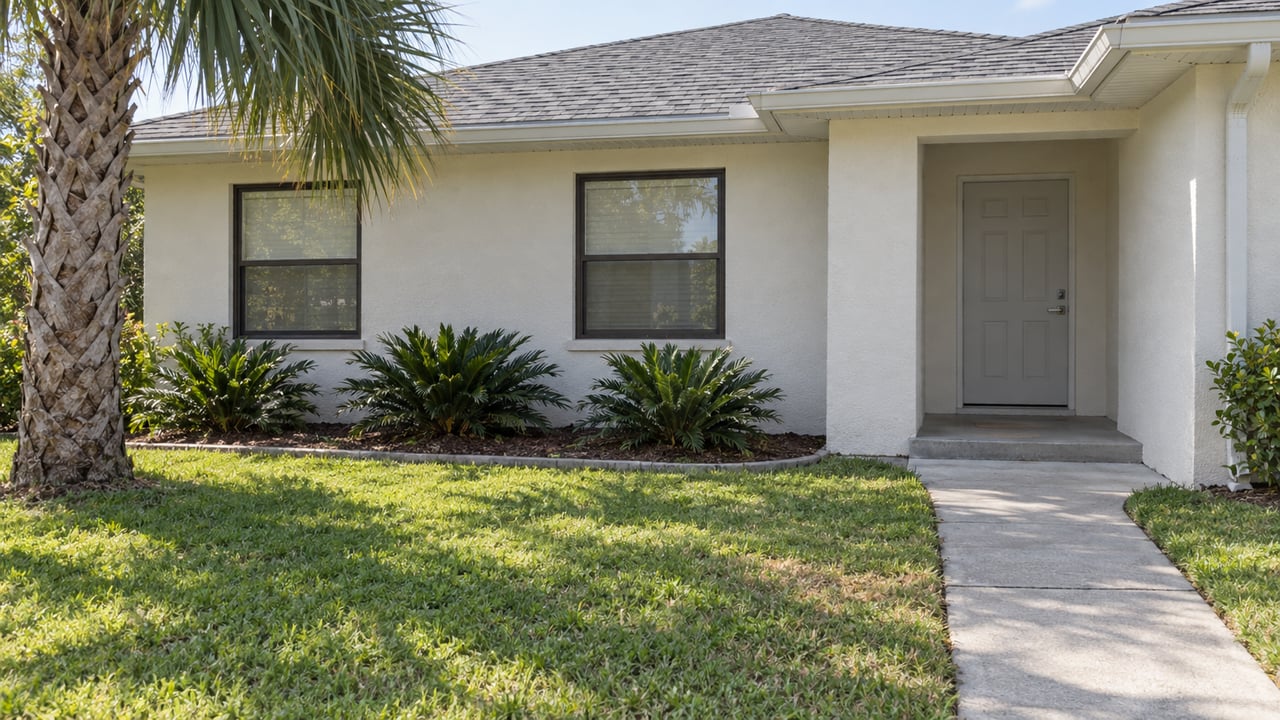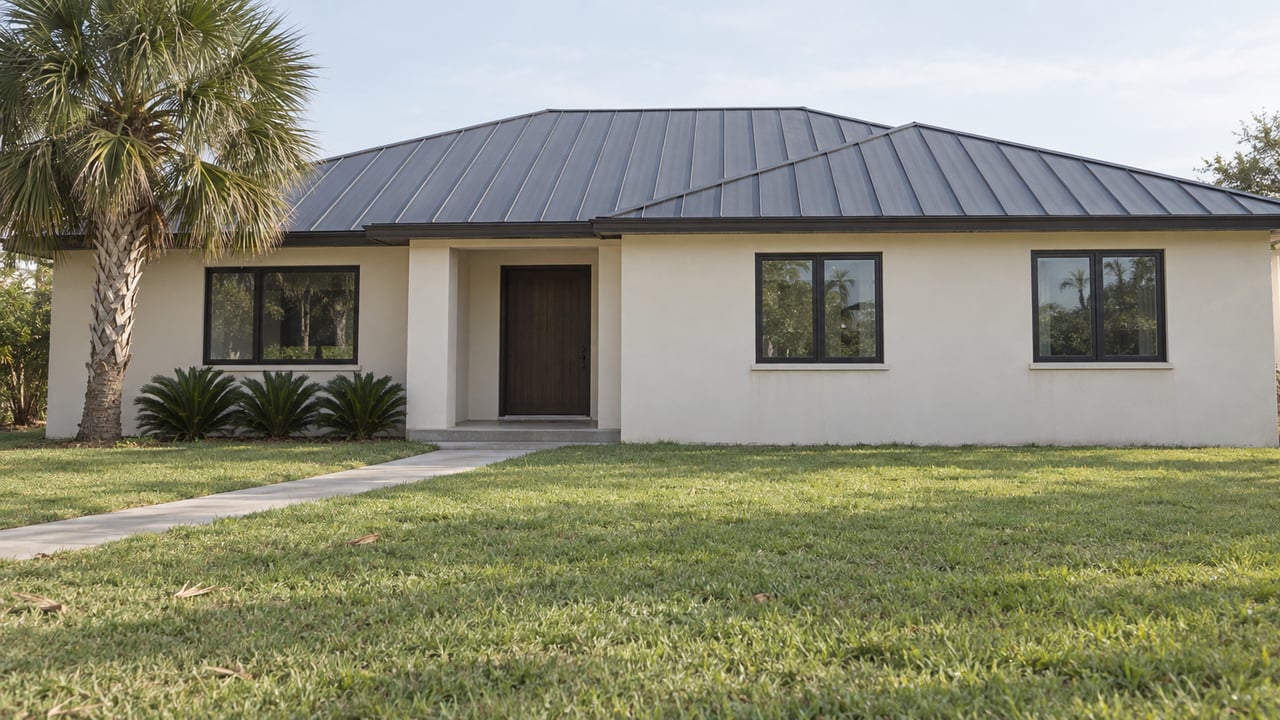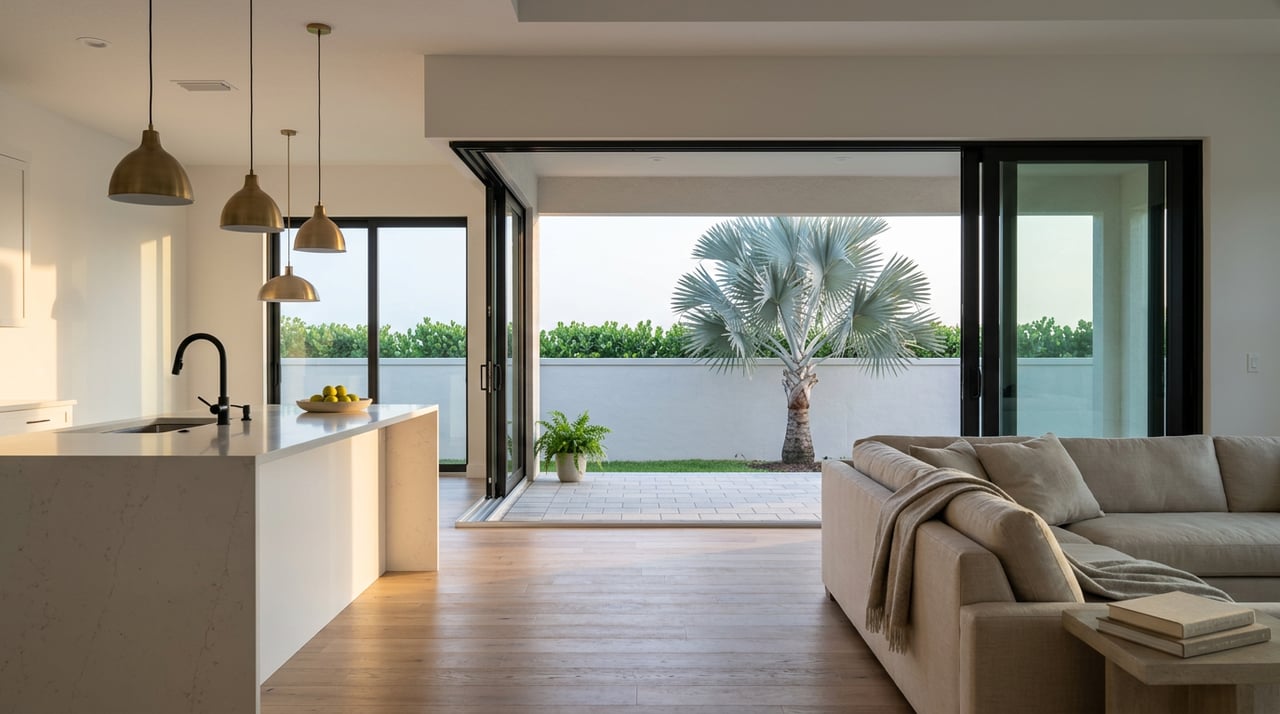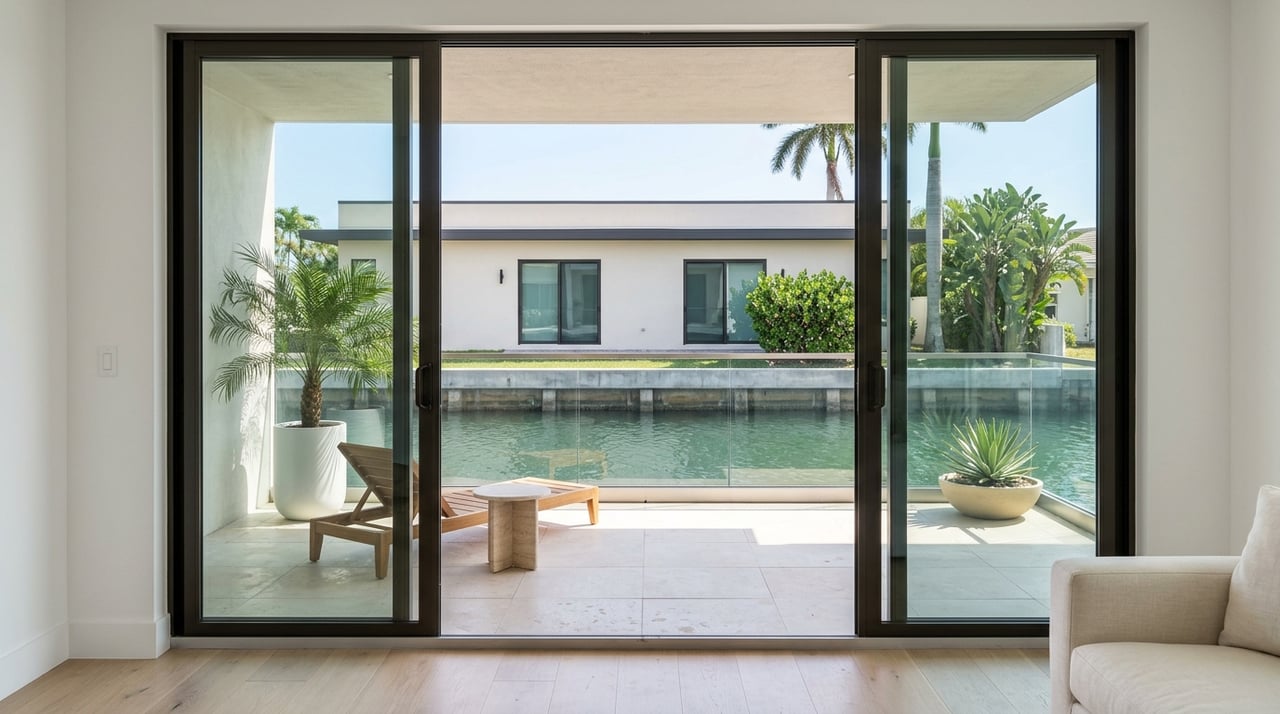
If you are weighing a waterfront condo against a single-family home in Fort Myers, you are not just comparing floor plans. You are choosing how you want to live on the water, how much upkeep you want to handle, and how much control you want over things like docks, slips, and outdoor space. The good news is that both options can work well, depending on your goals. Let’s break down the real differences so you can make a smart, confident decision.
Price Differences in Fort Myers
For many buyers, price is the first major dividing line between condos and single-family homes. In the Cape Coral and Fort Myers metro area, Florida Realtors reported an April 2026 median sale price of $390,000 for single-family homes and $299,000 for townhouse and condo units. Year-to-date medians showed a similar gap at $392,500 for single-family homes and $290,000 for condos and townhomes.
That makes condos the more affordable starting point in many cases. If you want waterfront ownership in Fort Myers without stretching as far on price, a condo is often the easier entry.
Still, waterfront pricing is not always simple. Current active listing snapshots show Fort Myers waterfront properties and waterfront condos can overlap in median listing price, with both showing a median of $325,000 in the available search results. That means features like the view, building age, dock access, and association costs can bring some condos into the same price range as smaller waterfront homes.
Condo Ownership and Lower Upkeep
One of the biggest reasons buyers choose a waterfront condo is convenience. Under Florida condominium law, the association is responsible for common elements, which are the parts of the property not included in the unit itself. Limited common elements can also be reserved for specific units if the condominium declaration allows it.
In plain terms, that usually means you are not handling as much exterior work yourself. The association often takes care of shared spaces and building-related upkeep, while you focus more on the inside of your unit and any responsibilities assigned to you in the condo documents.
For seasonal buyers or part-time residents, that setup can be a real advantage. If you want more of a lock-and-leave lifestyle, a condo often offers a simpler ownership experience.
Single-Family Homes and More Control
A single-family waterfront home usually gives you more direct control over the property. You are more likely to have your own yard, your own exterior, and more freedom to shape your outdoor living space around the water.
That extra freedom comes with more responsibility. In most cases, you will be handling exterior upkeep, landscaping, and maintenance tied to shoreline features unless an HOA or another entity is responsible for specific common areas.
It is also important to remember that detached does not always mean rule-free. In Florida, homeowners associations can maintain common areas, prepare budgets, and levy assessments. So even with a single-family home, you may still have dues and community rules to review.
Boating Access Matters
If boating is a big part of your lifestyle, this may be the deciding factor. Single-family waterfront homes often offer the most direct path to private boat access, but that access is still shaped by local rules and the physical setup of the lot.
In Lee County, dock applications must show details such as dock location within riparian lines, number of slips, side setbacks, channel width, and water depths. Boat lifts must also be shown within riparian property lines. That means buyers should look beyond the photos and confirm what is actually permitted at the property.
For some dock projects, Florida DEP offers a self-certification process for qualifying single-family dock work that is exempt from a DEP permit. This can apply to certain new docks, dock repairs or replacements, and adding a boat lift to an existing dock. In some cases, that can make improvements more manageable than buyers expect.
Condo Docks and Slip Rights
A waterfront condo can still work for a boating buyer, but you need to understand exactly what you are getting. Dock or slip access in a condo is often controlled by the association documents rather than owned outright by the unit owner.
Because Florida condo law separates unit ownership from common elements and limited common elements, the key question is whether the dock, slip, or lift rights are shared, assigned, reserved, or subject to waiting lists or other rules. Those details matter just as much as the view.
For many buyers, the tradeoff is simple. A condo may offer managed access and less hands-on shoreline maintenance, while a single-family home may offer more direct control and flexibility.
Seawalls and Shoreline Rules
Waterfront ownership in Fort Myers also means paying attention to shoreline structures. This is especially important for buyers considering a single-family home, since the owner often has more direct responsibility for docks, lifts, and seawalls.
Lee County distinguishes between artificial canals and natural waterbodies. Seawalls may be permitted in certain artificial canals, but new or expanded seawalls are not allowed along natural waterbodies, including the Gulf of Mexico. That distinction can affect what changes you can make now or later.
This is one reason waterfront buyers need to think beyond the home itself. The lot, shoreline type, and existing improvements all shape long-term use and future costs.
Condo Documents Deserve Close Review
If you are considering a condo, the building and association details are just as important as the unit. Florida’s condominium disclosure requirements say buyers should receive key documents when applicable, including the declaration, articles, bylaws, rules, annual financial statement, annual budget, milestone inspection summary if applicable, and the most recent structural integrity reserve study or a statement that none has been completed.
That information gives you a clearer picture of how the property is being managed. It can also help you spot future costs tied to repairs, reserve funding, or special assessments.
Florida also requires structural integrity reserve studies for residential condominium buildings that are three habitable stories or higher at least every 10 years. According to the Florida Department of Business and Professional Regulation, the study identifies reserve components, remaining useful life, replacement cost or deferred maintenance expense, and a recommended funding schedule.
For waterfront condos, this matters even more because exterior maintenance and storm-related work can be expensive. Older buildings deserve especially careful review.
Privacy and Lifestyle Tradeoffs
A lot of buyers are really asking a lifestyle question. Do you want convenience and lower day-to-day responsibility, or do you want privacy and more control over the property?
A condo often fits buyers who want a seasonal home, a second home, or a simpler ownership experience. You may share walls and common spaces, but you may also spend less time managing exterior issues.
A single-family home often fits buyers who want more privacy, more room to customize outdoor living, and a more direct connection to their boat setup. You will likely have more ownership responsibility, but you may also gain more flexibility.
Neither option is automatically better. The right choice depends on how you plan to use the property and how hands-on you want to be.
A Simple Fort Myers Decision Guide
If you are trying to narrow it down, this quick framework can help.
Choose a Waterfront Condo If
- You want a lower entry price in the Fort Myers market.
- You prefer less exterior maintenance and shared upkeep.
- You are buying a seasonal home or second home.
- You like the idea of a lock-and-leave lifestyle.
- You are comfortable reviewing association rules and budgets carefully.
Choose a Single-Family Home If
- You want more privacy and separation from neighbors.
- You want more direct control over dock, lift, or seawall decisions.
- You want greater flexibility with outdoor living space.
- Boating access is a top priority.
- You are comfortable taking on more maintenance responsibility.
What to Confirm Before You Make an Offer
No matter which type of property you choose, there are a few waterfront details you should confirm early.
For Condos
- Whether dock or slip rights are included, assigned, or shared
- Monthly dues and what they cover
- Reserve funding and any recent or upcoming assessments
- Building documents, rules, and financials
- Milestone inspection and reserve study information if applicable
For Single-Family Homes
- Seawall condition
- Existing dock and lift setup
- Whether planned improvements need county or DEP approval
- HOA dues and restrictions, if any
- Shoreline type and what rules apply to future work
The Best Choice Comes Down to Fit
In Fort Myers, waterfront condos and single-family homes can both deliver a strong coastal lifestyle, but they do it in different ways. Condos often make waterfront living more accessible and easier to manage. Single-family homes often offer more privacy, more boating control, and more freedom to shape the property around your lifestyle.
The key is knowing what matters most to you before you start touring homes. If you want clear guidance on dock rights, seawall questions, condo documents, or how a property fits your boating goals, Heather Porrett can help you sort through the details and find the right waterfront fit.
FAQs
What is usually more affordable in Fort Myers waterfront real estate, condos or single-family homes?
- In the Cape Coral and Fort Myers metro area, condos and townhomes had lower median sale prices than single-family homes in 2026, making condos the more common lower-cost entry point.
What maintenance responsibilities come with a Fort Myers waterfront condo?
- In a Florida condo, the association is generally responsible for common elements, which usually reduces the amount of exterior upkeep you handle as an owner.
What should buyers check about dock access in a Fort Myers waterfront condo?
- You should confirm whether dock or slip access is deeded, assigned, shared, limited to certain units, or controlled by association rules and availability.
What should buyers know about docks at Fort Myers single-family waterfront homes?
- Buyers should verify what exists, what is permitted, and whether future dock or lift changes will need Lee County review or qualify under Florida DEP’s self-certification process.
Are seawall rules different for canals and natural waterbodies in Lee County?
- Yes. Lee County distinguishes between artificial canals and natural waterbodies, and the rules for new or expanded seawalls differ depending on the shoreline type.
What condo documents should buyers review for a Fort Myers waterfront purchase?
- Buyers should review the condominium declaration, articles, bylaws, rules, annual budget, annual financial statement, milestone inspection summary if applicable, and the reserve study information or statement required under Florida law.