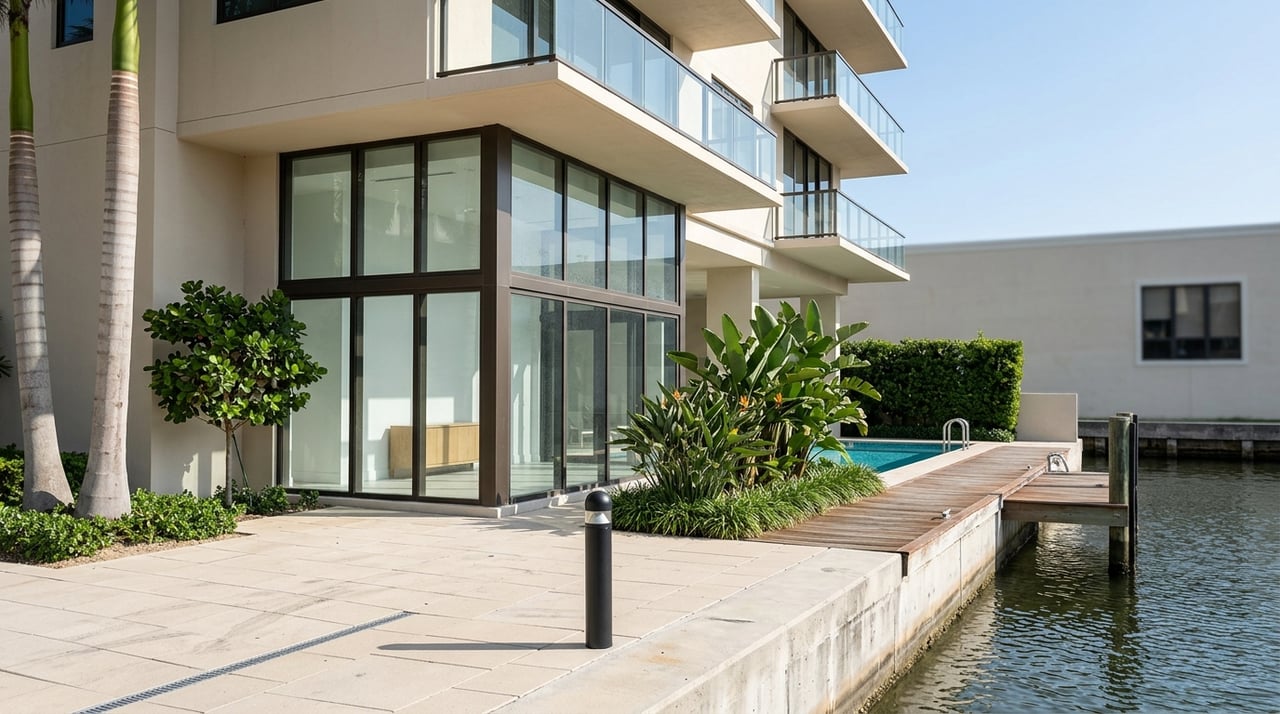
Looking for a Bonita Springs waterfront condo sounds simple until you realize that not all waterfront is the same. One building may sit right on the Gulf, another may overlook a bay or canal, and another may simply offer easier access to the beach or boating nearby. If you want to buy with confidence, you need to look beyond the view and focus on the details that affect your lifestyle, costs, and resale. Let’s dive in.
Define Your Waterfront First
Before you compare buildings, get clear on what “waterfront” means for you. In Bonita Springs, that can include direct beach frontage, bay or river proximity, or a condo near public beach access and water recreation.
The city highlights destinations like Bonita Beach Park, Barefoot Beach Preserve Park, Little Hickory Island Beach Park, Lovers Key, Riverside Park on the Imperial River, and multiple public beach accesses along Bonita Beach. That variety is great for buyers, but it also means you should confirm the property’s exact relationship to the water before you compare price, value, or convenience.
Gulf frontage versus water access
A Gulf-front condo offers a very different experience from a condo near the water. Direct frontage may give you immediate beach access and water views, while a nearby building may rely on public access points, parking availability, and a longer walk.
If boating matters to you, access should be part of the conversation too. Lovers Key is a good local example of how beach use and boating access can overlap, with a boat ramp that reaches Estero Bay and the Gulf, plus a kayak and canoe launch.
Test convenience in real time
Map distance does not always tell the full story. Bonita Beach Park includes a boardwalk and swimming area, Little Hickory Island Beach Park has paid public parking, and the city notes 10 public beach accesses with parking along Bonita Beach.
If beach use is a priority, try the drive, parking, and walk during a busy time of year. That quick test can tell you much more than a listing description ever will.
Check Building Age and Condition
For Bonita Springs waterfront condos, building age is one of the most important due diligence items. Older coastal buildings can come with more moving parts, especially when it comes to inspections, reserves, repairs, and the possibility of future assessments.
Florida law now places major attention on condo safety and structural planning. That means you should treat building condition as a top priority, not a box to check later.
Understand milestone inspections
Florida requires milestone inspections for certain condominium and cooperative buildings. These inspections focus on structural elements and primary building systems.
For certain buildings that reached 30 years of age on or after July 1, 2022 and before December 31, 2024, the initial milestone inspection deadlines were tied to December 31, 2025. If you are considering an older waterfront tower, ask where the building stands in that process.
Ask about the SIRS
Florida also requires a Structural Integrity Reserve Study, often called a SIRS, at least every 10 years for residential condominium buildings that are three habitable stories or higher. For owner-controlled associations existing on or before July 1, 2022, the first SIRS had to be completed by December 31, 2025.
The SIRS covers major items like the roof, structure, fireproofing, plumbing, electrical, waterproofing and exterior painting, windows and exterior doors, and other significant deferred maintenance components. In plain terms, this is one of the clearest windows into how a building is planning for real repair costs.
Documents to request
When you narrow your options, ask for documents early. A smart request list includes:
- The latest milestone inspection summary
- The full SIRS, or notice that it is available
- The current association budget
- Any history of special assessments
- Information on deferred or upcoming projects
According to Florida DBPR guidance, the SIRS must be shared with owners or made available within 45 days after receipt, and the association must notify the division that the study was completed. That makes it a practical document for buyers to review during due diligence.
Review Flood and Insurance Exposure
Waterfront living in Bonita Springs comes with added flood and storm considerations. Even if a condo has not had recent flooding, flood-zone status can still affect mortgage requirements, insurance costs, and future resale.
That is why you should evaluate both the location and the building’s response to past storm events. A pretty view does not lower your risk profile.
Confirm the flood zone
Bonita Springs provides floodplain resources, including a flood-zone lookup tool and guidance on FEMA flood maps. Lee County explains that these flood insurance rate maps are the official maps used for floodplain management and insurance.
Lee County also notes that flood insurance is required for mortgages in Special Flood Hazard Areas and Coastal High Hazard Areas. For buyers, that makes flood-zone status a practical cost issue, not just a technical label.
Ask how storm repairs were handled
Prior damage and repairs matter in any waterfront building. The city and county describe substantial-damage and substantial-improvement rules tied to a 50 percent of market value threshold, which can trigger compliance with current flood-code requirements after major damage or renovation work.
The city also directs owners to use the Lee County Property Appraiser valuation for this review. If a building has had storm damage, ask what was repaired, whether code-related upgrades were required, and how that work may affect future costs.
Study HOA Rules and Amenities
A waterfront condo lifestyle can look very different from one building to the next. Two properties may both advertise docks, parking, and beach access, but the actual rules, fees, and usage rights can be very different.
That is why association documents matter so much. In Florida condos, the governing documents are often where the real answers live.
Verify dock and slip details
If you want boating access, do not assume the slip situation is simple. Ask whether boat slips are deeded, assigned, leased, or subject to a waitlist.
You should also ask who pays for dock, seawall, elevator, roof, and pool deck maintenance. Some amenities may be included in regular assessments, while others may involve separate rules or fees depending on the condo documents.
Review everyday restrictions
Florida’s purchaser-disclosure rules require information on topics such as voting rights, leasing restrictions, recreational facility fees, assessment amounts, and certain litigation exposure. For buyers, that means you should review not just the monthly fee, but also how the community functions day to day.
Be sure to confirm rules related to:
- Rentals
- Pets
- Guest use
- Parking
- Amenity access
- Approval requirements
These details can affect both your enjoyment of the property and its fit as a seasonal or second-home purchase.
Use official records
Florida says association budgets and accounting records are official records that must be maintained for at least seven years and made available within 10 working days after a proper written request. If the association has 25 or more units, it must also maintain a website or mobile application and post certain records within 30 days after receipt or creation.
For you, that means the paper trail should be part of the buying process. A well-documented association can make it easier to understand the building’s finances and decision-making.
Use a Smart Tour Checklist
When you tour Bonita Springs waterfront condos, focus first on the issues that affect long-term ownership. It is easy to get distracted by views, pools, and sunset photos, but those are not the items most likely to change your costs.
A more practical approach helps you compare buildings with less emotion and better clarity.
Questions to answer during tours
Use each showing to confirm:
- Whether the building has completed any required milestone inspection
- When the most recent SIRS was completed
- Whether reserves appear adequate
- Whether special assessments are pending
- Whether the water access is beach, river, bay, canal, or marina-based
- How docks or slips are controlled
- How the association handles rentals, pets, parking, and guests
This kind of checklist can help you quickly separate a beautiful condo from a well-positioned one.
Prioritize the Right Issues
If you are comparing several Bonita Springs waterfront condos, the order of your decision-making matters. The most important factors are usually the ones that affect safety, financing, insurance, and future carrying costs.
A practical way to rank your search is:
- Structure and reserves first
- Flood and insurance second
- Dock and marina rules third
- Beach and dining convenience last
That order makes sense because structural studies, reserve planning, and flood exposure can have a direct impact on ownership cost and financing risk. Lifestyle convenience still matters, but it should come after the issues that can change your budget in a meaningful way.
Buying a waterfront condo in Bonita Springs should feel exciting, but it should also feel informed. When you define the type of waterfront you want, review building condition carefully, and verify flood and HOA details early, you give yourself a much better chance of choosing a property that fits both your lifestyle and your long-term goals.
If you want expert guidance as you compare waterfront options in Southwest Florida, work with Heather Porrett for a clear, organized, high-touch approach to your search.
FAQs
What does waterfront condo mean in Bonita Springs?
- In Bonita Springs, a waterfront condo can mean direct Gulf frontage, proximity to a bay or river, or a condo with convenient access to beaches or boating nearby. You should confirm the exact water relationship before comparing properties.
What should buyers ask about an older Bonita Springs condo building?
- Ask for the latest milestone inspection summary, the most recent SIRS, the current budget, and any history of special assessments or deferred maintenance projects.
Why does flood zone matter for a Bonita Springs waterfront condo?
- Flood-zone status can affect mortgage requirements, insurance costs, and future resale, especially in Special Flood Hazard Areas and Coastal High Hazard Areas.
What HOA documents matter when buying a Bonita Springs waterfront condo?
- Focus on the governing documents, budget, accounting records, purchaser disclosures, and any rules covering rentals, pets, parking, amenities, and dock or slip use.
How can buyers compare Bonita Springs waterfront condos more effectively?
- Start with structure and reserves, then review flood and insurance exposure, then verify dock and amenity rules, and only after that compare lifestyle perks like beach convenience and nearby recreation.