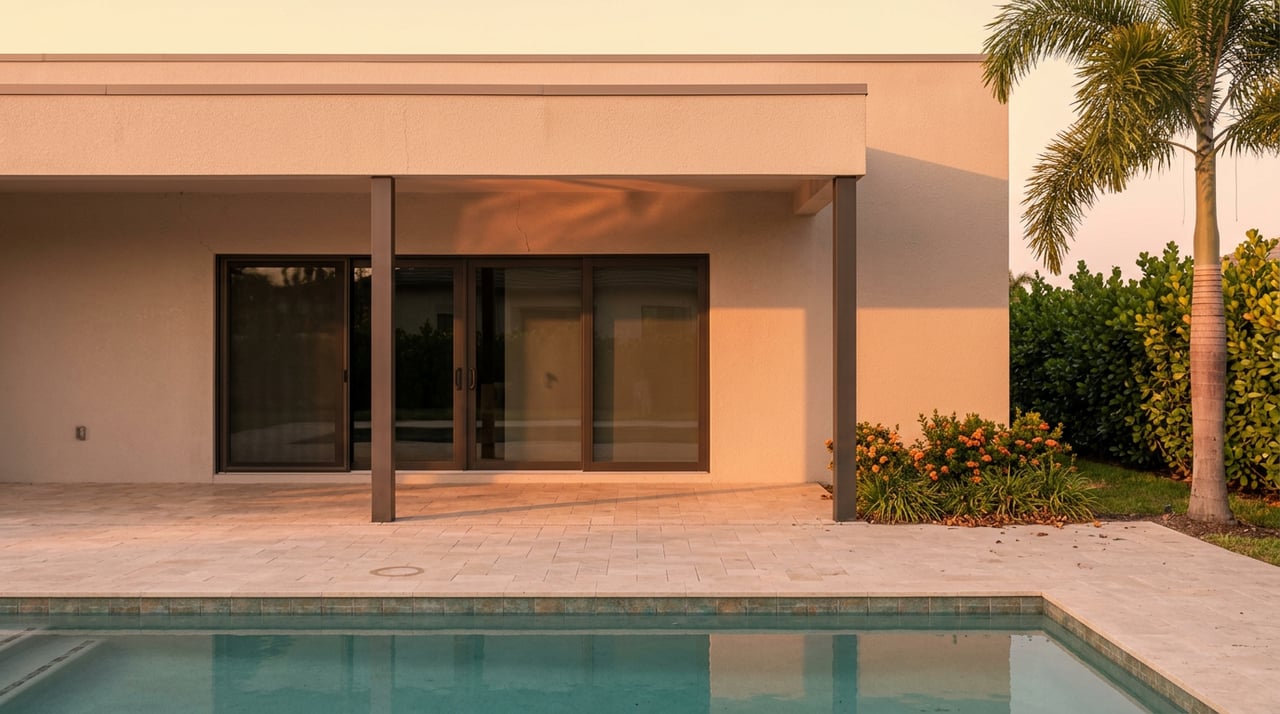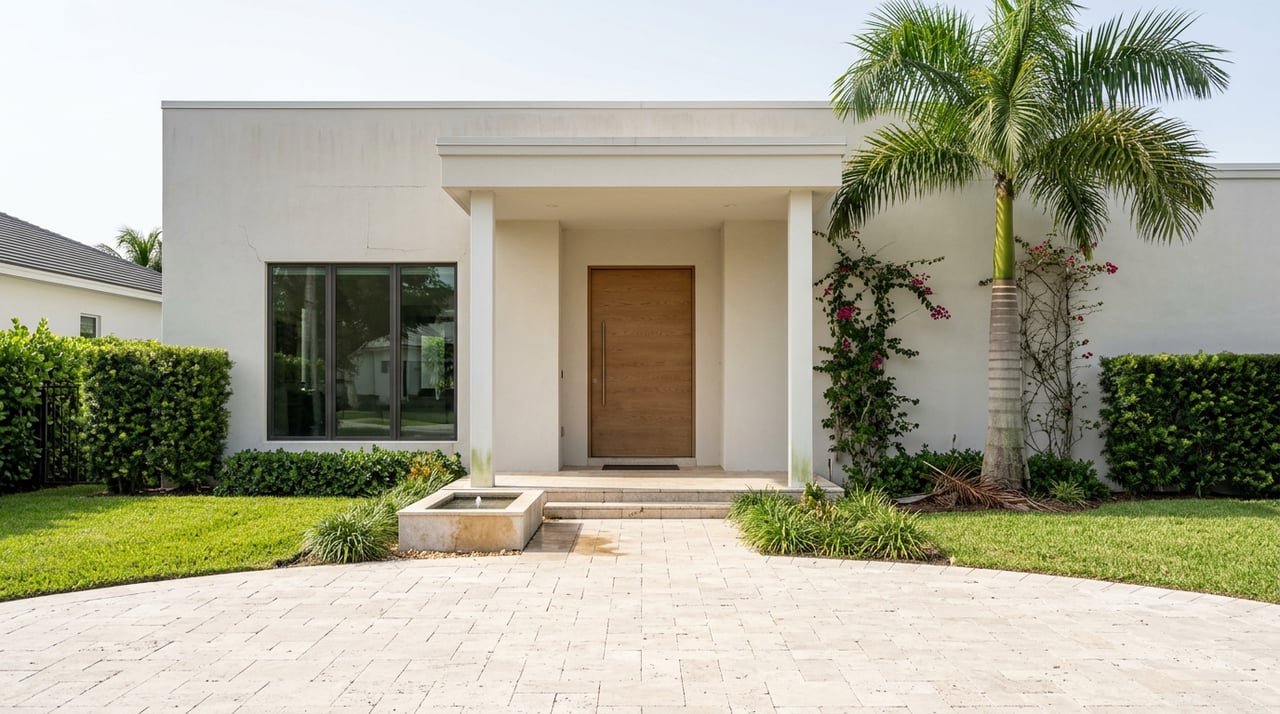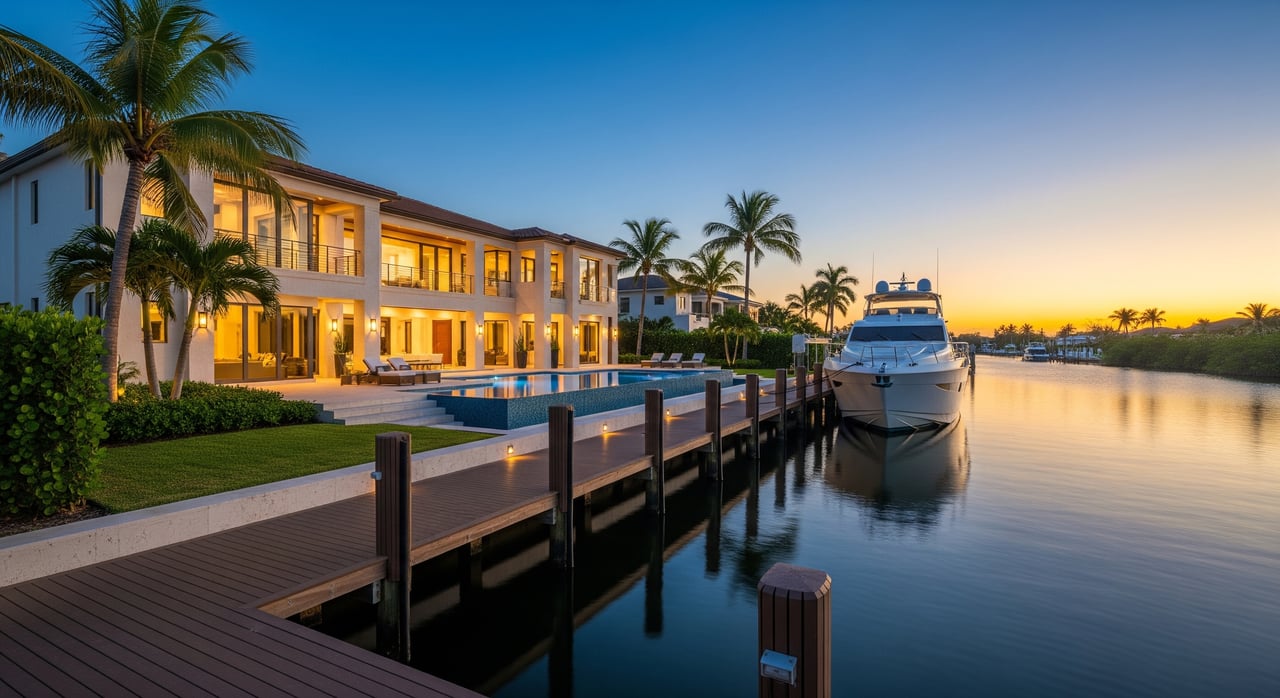
Thinking about living on the water in Cape Coral but not sure if the premium is worth it? You are not alone. Many buyers love the idea of boating from their backyard, yet want to understand true costs, risks, and resale value before they commit. In this guide, you will learn how waterfront and off‑water homes compare on lifestyle, access, maintenance, insurance, and long‑term value so you can decide with confidence. Let’s dive in.
Cape Coral waterfront at a glance
Cape Coral is famous for its canal system, with roughly 400 miles of waterways that shape both lifestyle and prices. Most waterfront homes sit on canals that connect to the Caloosahatchee River and then to San Carlos Bay and the Gulf. Not all canals are equal. Some offer wide, deep, and direct routes to open water, while others are narrow or shallow and better suited to smaller craft. Off‑water homes trade the dock and view for simpler ownership, lower carrying costs, and often more home for the money.
Lifestyle and access differences
If you own a boat or plan to, gulf‑access canals can be a daily quality‑of‑life upgrade. You can fish at dawn, cruise at sunset, and host friends on your dock. Travel time to open water varies by neighborhood, with western and southern canals often closer to the river or bay exits. Canal size and depth influence the boat you can keep, and some areas have shoaling or obstructions that reward careful route planning.
Off‑water living favors simplicity. You skip dock chores, seawall upkeep, and marine wear on systems. Yards can be quieter. You still enjoy the Cape Coral lifestyle, with public boat ramps and marinas nearby if you want access without the on‑site maintenance. For many buyers, this is the most cost‑effective way to live near the water.
Types of waterfront to know
- Gulf‑access canal: Leads to the river and Gulf. Most desirable for active boaters.
- Non‑gulf or shallow canal: May limit boat size or use. Verify navigable depth.
- Riverfront or bayfront: Bigger views and water movement, with different tide and wave conditions.
- Off‑water or freshwater pond: No private boating from the lot, but often lower ownership costs.
Costs you should expect
Waterfront ownership adds recurring and occasional large expenses that off‑water owners rarely face. Seawalls, docks, and lifts require routine care and periodic repairs. Salt exposure accelerates wear on metal, electrical components, and nearby HVAC units.
- Routine: Dock and lift checks, cleaning marine growth, treating wood, and inspecting fasteners.
- Periodic: Seawall repairs or replacement, dock rebuilds, electrical or piling replacement.
- Hidden: Corrosion, landscape erosion control near the seawall, and higher service call costs from marine specialists.
Off‑water homes avoid almost all of these line items, which is why many buyers prefer them for predictable budgeting.
Seawalls, docks, and permits
Seawall condition is a big deal for inspectors, appraisers, and insurers. Common issues include undermining, cracks, settlement, and tie‑in failures. In most cases, the property owner maintains and replaces the seawall and private dock, so you want to see maintenance records and recent contractor reports.
Before you buy, confirm the permits and as‑built documents for any dock, lift, or seawall work. Some projects require city, county, state, and sometimes federal approvals. Dredging is regulated and not a guaranteed right. If you plan upgrades, speak with local marine contractors to understand scope, cost, and timelines.
Inspections that matter
A thorough pre‑purchase package protects your investment and can improve insurance options. Ask your agent to coordinate the following:
- Professional seawall and dock inspection by a marine contractor.
- Full home inspection and separate pest/termite evaluation.
- Survey with lot lines and riparian rights marked. Confirm any easements.
- Flood plain determination and elevation certificate if available.
- Permit history for dock, lift, and seawall work.
Insurance and risk
Waterfront buyers almost always carry flood insurance, and wind or hurricane coverage is essential across Florida. Premiums vary by flood zone, elevation, construction type, and mitigation features such as shutters or elevated mechanicals. The insurance market has seen volatility in recent years, so it is smart to obtain quotes early in your search.
Cape Coral is low‑lying and exposed to storm surge. Hurricane Ian in September 2022 highlighted how storms can damage structures and seawalls and affect short‑term values. This is why elevation, seawall condition, and flood designations matter when you compare two homes that look similar on paper.
Value, premiums, and resale
Gulf‑access homes typically command a premium over comparable off‑water properties. The size of that premium depends on canal width and depth, time to open water, view quality, and the condition of the seawall and dock. In strong markets with active boat‑owner demand, these homes can sell faster, but they can also be more sensitive to shifts tied to insurance costs or climate concerns.
Off‑water homes often deliver strong value for buyers focused on lower carrying costs and simpler ownership. In many cases, you get a similar home at a lower price point, with less maintenance and more budget flexibility for upgrades.
Which is right for you
Start with your lifestyle and risk tolerance, then run the numbers based on the exact property.
- Choose waterfront if you boat often, want a private dock, and accept higher maintenance and insurance as part of the lifestyle.
- Choose off‑water if you prefer lower monthly costs, simpler upkeep, and the flexibility to trailer your boat or use public ramps.
- Compare two or three neighborhoods with local comps, insurance quotes, and a seawall report before you decide.
Buyer checklist
Use this quick list to move from interest to clarity:
- Confirm canal type and routing to open water. Ask for an estimated travel time by typical boat speed.
- Order a seawall and dock inspection. Collect maintenance records and receipts.
- Pull permit history for docks, lifts, and seawall work. Verify compliance.
- Get a current survey that confirms lot lines and dock placement.
- Obtain an elevation certificate if available and gather flood and wind insurance quotes.
- Review MLS comps for both waterfront and off‑water homes in the immediate area.
- Check HOA rules for any dock, rental, or assessment restrictions.
- Consult local marine contractors for estimates on planned improvements.
- Confirm required wind mitigation features that may help with insurance.
How I help you compare options
You deserve clear answers before paying a premium. I help you verify canal type, navigability, seawall health, permits, flood designation, and insurance options so your decision is based on facts, not assumptions. With organized transaction management and strong local contractor contacts, you can move from offer to closing with fewer surprises and a plan for the first year of ownership.
Ready to compare specific homes or schedule seawall inspections on properties you like? Work with Heather Porrett to get expert, waterfront‑savvy guidance from search to closing.
FAQs
Is gulf‑access waterfront worth the premium in Cape Coral?
- It depends on your priorities; active boaters who value direct access and views often find it justified, while value‑focused buyers may prefer off‑water for lower costs.
How much more does waterfront insurance cost in Cape Coral?
- It varies by flood zone, elevation, build features, and insurer; obtain local flood and wind quotes early to understand total ownership cost.
Who pays for seawall repair or replacement in Cape Coral?
- Usually the waterfront property owner; confirm responsibilities in the title, plat, and any HOA documents before you buy.
What inspections should I order for a Cape Coral waterfront home?
- Get a marine contractor seawall and dock inspection, full home and pest inspections, a survey, permit history, and an elevation certificate if available.
How did Hurricane Ian change the risk picture for Cape Coral buyers?
- The storm highlighted the value of elevation, strong seawalls, and proper insurance; it made early due diligence more important for waterfront decisions.
How close to open water are Cape Coral canal homes?
- It depends on location; western and southern canals are generally closer to river or bay exits, but verify the route and depth for your boat size.