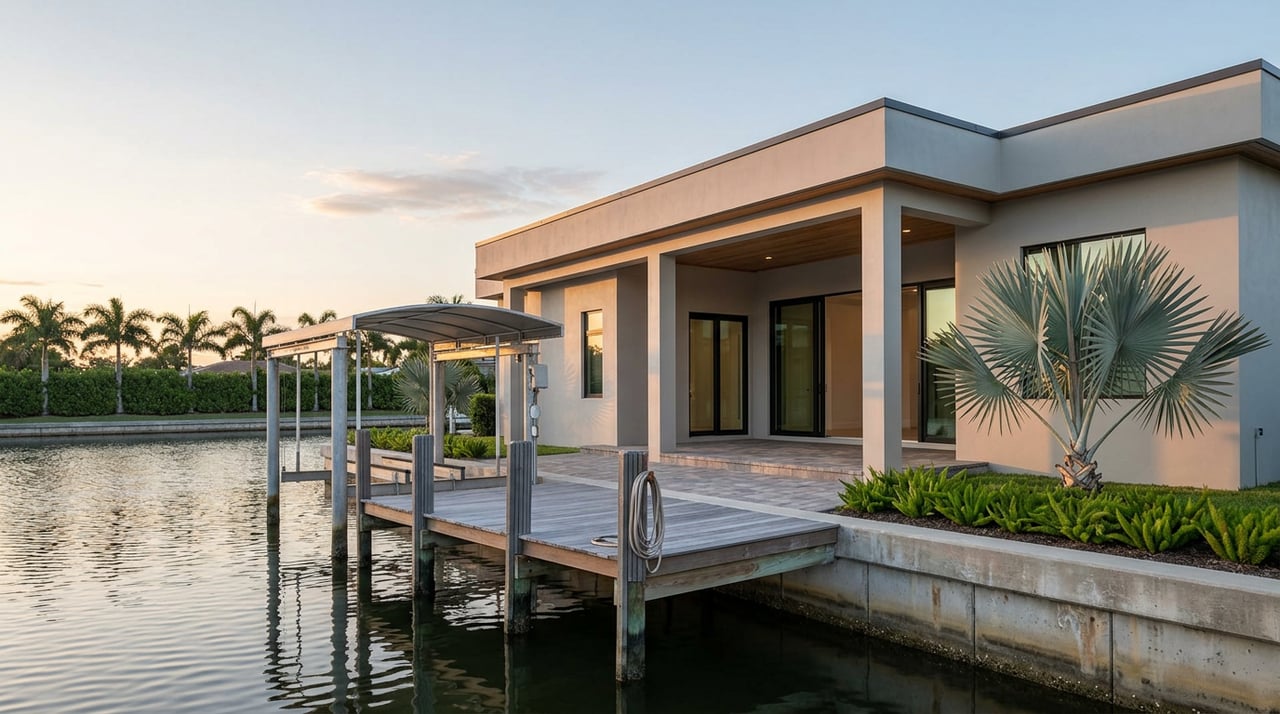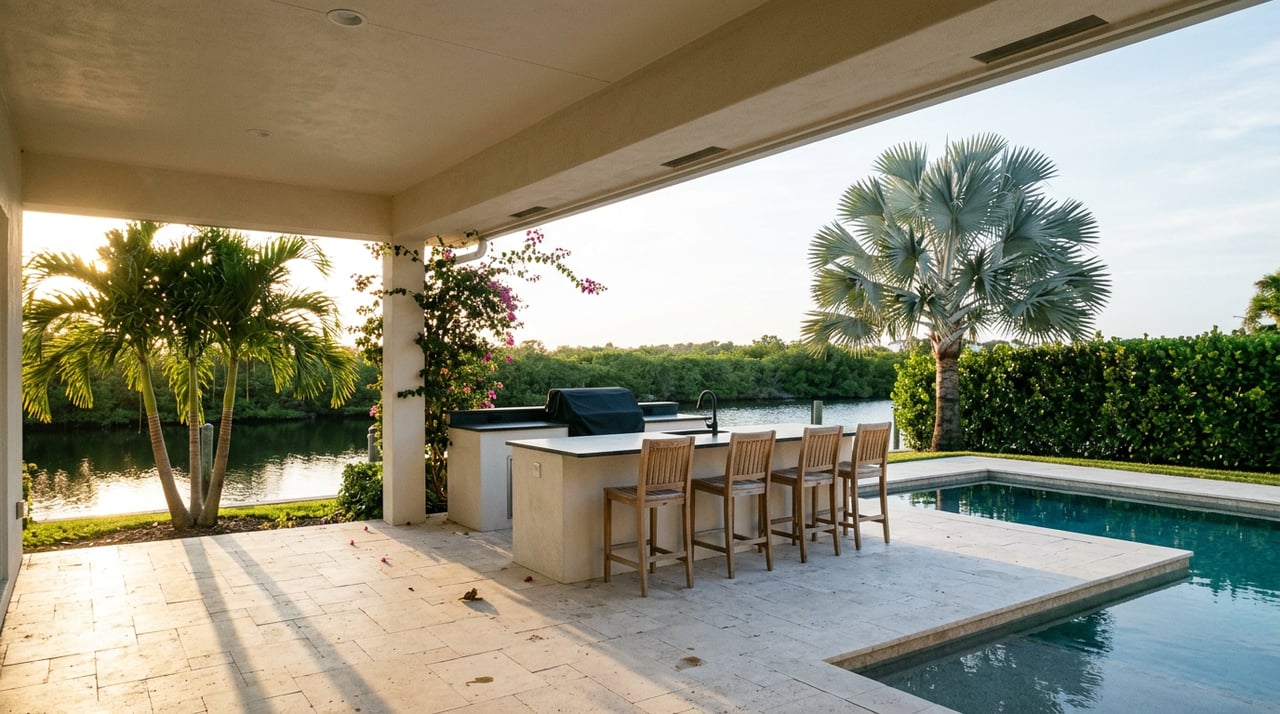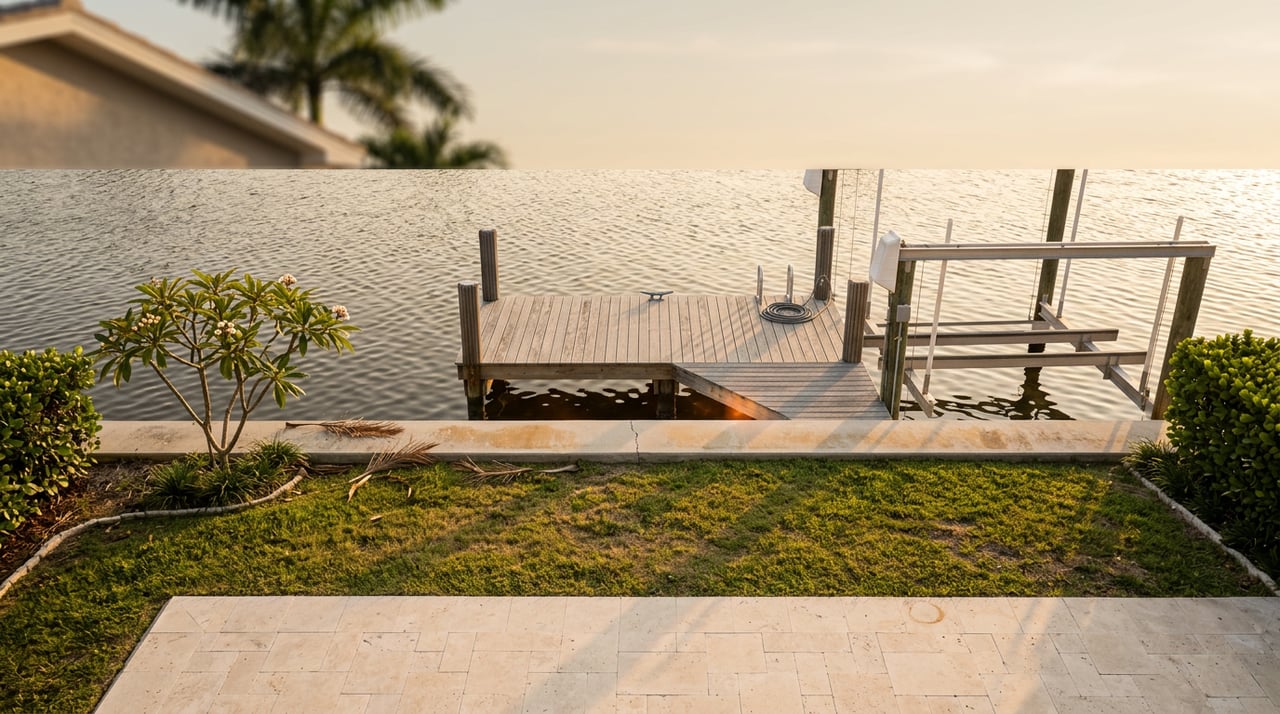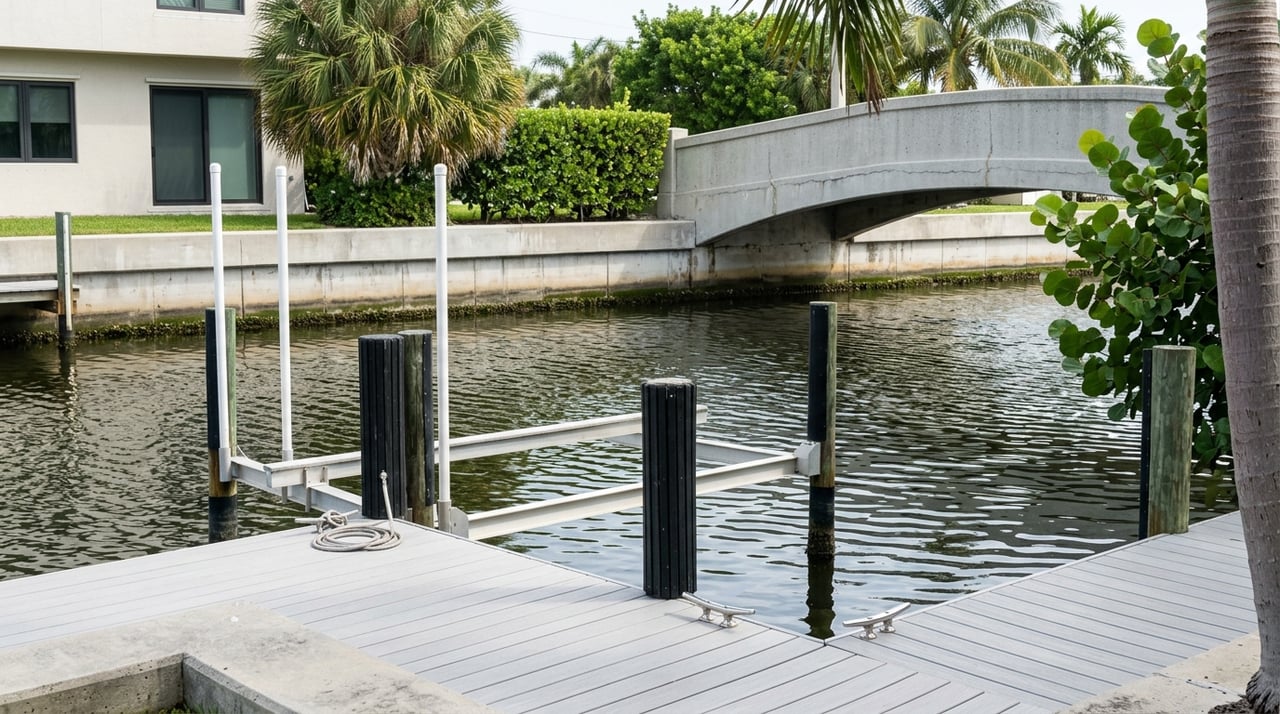
If you are shopping Naples waterfront neighborhoods with a boat in mind, the wrong address can create the right-looking lifestyle with the wrong kind of access. Two homes may both sit on the water, yet one may be easier for your dock plan, your boat height, or your route to the Gulf. This guide breaks down how Aqualane Shores, Port Royal, and Park Shore compare for boaters, so you can focus on the neighborhoods that fit how you actually use the water. Let’s dive in.
Why boating access differs in Naples
In Naples, not all waterfront systems work the same way. Naples Bay is a relatively narrow, shallow estuary that connects to the Gulf through Gordon Pass, while Moorings Bay is a densely urbanized artificial estuary that reaches the Gulf through Doctors Pass.
That difference matters because Aqualane Shores and Port Royal sit on the Naples Bay and Gordon Pass system, while Park Shore depends on the Moorings Bay and Doctors Pass system. If you are comparing neighborhoods for boating, you need to think beyond “waterfront” and look at route, depth, bridge clearance, and dock rules.
The City of Naples also regulates marine improvements such as docks, lifts, pilings, seawalls, riprap, and dredging. In some cases, dredging on a natural water body requires council approval before a marine permit is issued, which makes address-level review especially important.
Aqualane Shores for canal-front boating
Aqualane Shores is known for its classic canal-front setting near Naples Bay and the Gulf route through Gordon Pass. For many buyers, the appeal is straightforward: you get a true waterfront feel in a neighborhood built around canals and boating access.
From a practical boating standpoint, Aqualane Shores tends to reward buyers who want that canal lifestyle and who are comfortable verifying details parcel by parcel. City records identify the area as low-lying, with stormwater connections to canals that rely on gravity and are sensitive to tides and sea-level rise.
Aqualane Shores dock standards
The city’s standards for Aqualane Shores are relatively tight. Pier and boat-lift rules call for a 7.5-foot side-yard setback, and a pier may not exceed the smaller of 15 feet or 10% of the waterway width.
A boat lift or combined pier and lift may not exceed the smaller of 25 feet or 25% of the waterway width. If a proposed dock plan goes beyond standard limits, the application requires scaled survey and depth information.
What Aqualane Shores means for buyers
If you own a lower-profile powerboat and want a classic canal-front setting, Aqualane Shores can be a strong fit. The tradeoff is that your dock envelope may be tighter than in Port Royal, and usable depth should always be confirmed at the specific property.
City records also show a maintenance dredging district for Aqualane Shores canals. That is helpful context for long-term upkeep, but it does not replace parcel-specific verification of the water depth you need.
Port Royal for deeper-water planning
Port Royal stands out when boating function is a top priority. Among these three neighborhoods, it generally offers the strongest planning headroom for buyers who want to support a larger boat, reach deeper water at low tide, or explore more flexible dock possibilities.
Part of that advantage comes from local dredging and local dock rules. City records show a dedicated Port Royal area dredging district tied to sediment removal in Port Royal and Champney Bay canals, with project documents describing the work as restoring navigability and allowing future maintenance dredging.
Port Royal dock and setback rules
Port Royal has a 20-foot side-yard setback for piers, lifts, piles, and vessels on lifts. It also has a 22-foot baseline extension into the waterway from the property line or toe of revetment.
On Naples Bay and Gordon Pass, piers may extend beyond 22 feet to reach 5 feet MLW. If more extension is needed, the setback increases by 2 feet for each additional foot offshore.
Why Port Royal is often the most accommodating
Naples Bay water-quality reporting shows average depths in parts of Naples Bay around 1.7 meters at monitoring locations, while the Port Royal segment is somewhat deeper and Gordon Pass is about 3.2 meters at the monitoring location. For a buyer, that suggests Port Royal may offer better depth planning potential than Aqualane Shores or Park Shore, although exact conditions still need to be verified at the parcel.
If your boating priorities include a larger vessel, more low-tide confidence, or more flexibility in how a dock or lift setup works, Port Royal is usually the first neighborhood to study closely. It is not a guarantee for every property, but it is the strongest starting point of the three.
Park Shore for convenience and constraints
Park Shore appeals to many buyers because it combines waterfront living with a convenient in-town setting and close beach access. The neighborhood is west of US 41 and is described by the city as being filled with waterways, which gives it broad appeal for buyers who want boating tied to a low-maintenance coastal lifestyle.
For some boaters, Park Shore can be a great match. For others, it may be the most restrictive option because bridge clearance is the key issue here.
Park Shore bridge clearance matters most
The city’s boating-restricted-area ordinance creates a slow-speed, minimum-wake zone within 300 feet of the Park Shore Drive, Harbour Drive, and Mooring Line Drive bridge spans. NOAA’s Coast Pilot notes that those bridge spans have less than 25 feet of vertical clearance or less than 100 feet of horizontal clearance.
That makes Park Shore less forgiving for boats with taller profiles. If you are considering a sailboat or any boat with significant air draft, you should verify the full route to the Gulf, not just whether the home has a dock or slip.
Park Shore slip and wharf limits
The ordinance excerpts reviewed show that Park Shore Units 1, 3, and 4 have a platted wharf limit line 15 feet offshore. For Units 2 and 5, the planned-development ordinance says boat-docking facilities may be developed in Venetian Bay for residents of Units 1 through 5 and are limited to 219 boat slips.
The Moorings Bay access channel exists around the system’s edge and lies generally 15 to 20 feet offshore from the shoreline. That setup can work well for buyers who want resident-slip access and condo convenience, but it requires careful review if your boat has more height or your route tolerance is low.
Which neighborhood fits your boat
The best neighborhood depends on how you boat, not just where you want to live. A buyer with a center console or lower-profile powerboat may prioritize dock function and Gulf access, while a buyer with a taller vessel may care more about bridge clearance than anything else.
Here is the practical comparison based on the city materials.
| Neighborhood | Best Fit | Main Watchouts |
|---|---|---|
| Aqualane Shores | Buyers who want a classic canal-front setting and lower-profile boating | Tighter dock envelope, parcel-specific depth verification |
| Port Royal | Buyers who want more depth planning headroom and flexibility for larger boats | Parcel-by-parcel review still required for actual depth and dock layout |
| Park Shore | Buyers who want resident-slip access, convenience, and beach proximity | Bridge clearance, slow-speed zones, and route limits for taller boats |
In simple terms, Aqualane Shores and Port Royal are usually easier starting points for lower-profile powerboats because the Naples Bay side is shaped more by depth, setbacks, and dredging than by low bridge spans. Port Royal is usually the most accommodating of the three if boating capability is at the top of your list.
What to verify before you buy
No matter which neighborhood you prefer, boating real estate in Naples should always be reviewed at the property level. Neighborhood reputation helps, but it should never replace due diligence.
Check water depth at the parcel
The city’s own materials show that Naples Bay is shallow and variable. If the dock, lift, or route depth matters for your boat, confirm the current mean-low-water depth at the specific parcel.
Check the actual route
Bridge clearance and route conditions can matter just as much as the dock. In Park Shore, the local bridge spans need close review, and if you plan to navigate farther inland, the U.S. Route 41 bridge at the head of Naples harbor has a fixed 10-foot clearance.
Check permit requirements
The City of Naples requires marine permits for docks, lifts, pilings, seawalls, riprap, and dredging. If the property needs improvements or changes, confirm what approvals may apply before you move forward.
Check maintenance district status
Aqualane Shores, Port Royal, and the Moorings Bay and Park Shore system all have active city maintenance structures or district ties related to waterway upkeep. It is smart to understand that status during your property review.
Check if structures are conforming
If the value of the property depends on an existing dock or lift, confirm whether the structure is grandfathered or whether changes would trigger current compliance rules. In waterfront real estate, small code details can affect future plans in a big way.
If you are comparing Naples waterfront neighborhoods for boating, the right choice usually comes down to matching your boat and your lifestyle to the realities of the waterway. Aqualane Shores offers a classic canal setting, Port Royal typically gives you the most room for deeper-water planning, and Park Shore can be attractive for convenience if your route works for your vessel. If you want practical guidance on sorting through waterfront details before you buy, Heather Porrett can help you evaluate the boating fit behind the listing photos.
FAQs
Which Naples waterfront neighborhood is best for larger boats?
- Based on city depth and dock-rule context, Port Royal is usually the strongest option of the three for buyers who want more depth planning headroom and flexibility, though the exact parcel still needs to be verified.
Are Park Shore bridges a problem for boaters?
- They can be, especially for boats with significant air draft, because the local bridge spans have clearance limits and nearby slow-speed, minimum-wake zones.
Is Aqualane Shores good for canal-front boating?
- Yes, Aqualane Shores can be a strong fit for buyers who want a classic canal-front setting, but dock dimensions and water depth should be confirmed at the specific property.
Do Naples waterfront homes need dock or dredging permits?
- Yes, the City of Naples requires marine permits for items such as docks, lifts, pilings, seawalls, riprap, and dredging, and dredging on a natural water body requires council approval before the permit is issued.
Should you verify boat access by address in Naples?
- Yes, because depth, route, bridge clearance, dock rules, and structure compliance can vary by parcel even within the same neighborhood.