Selling a waterfront home in Cape Coral is different from selling a typical house. Buyers are not just looking at bedrooms and finishes. They are also sizing up the view, the dock, the seawall, and how easy it will be to enjoy life on the water. If you want to make a strong first impression and avoid last-minute surprises, a smart prep plan matters. This checklist will help you focus on the updates, records, and presentation details that can make your home easier to market and easier for buyers to understand. Let’s dive in.
Start With a Photo-Ready Mindset
Your listing usually makes its first impression online, and that first impression happens fast. According to the National Association of Realtors’ 2025 research, 81% of buyers said listing photos were the most useful feature during an online home searches.
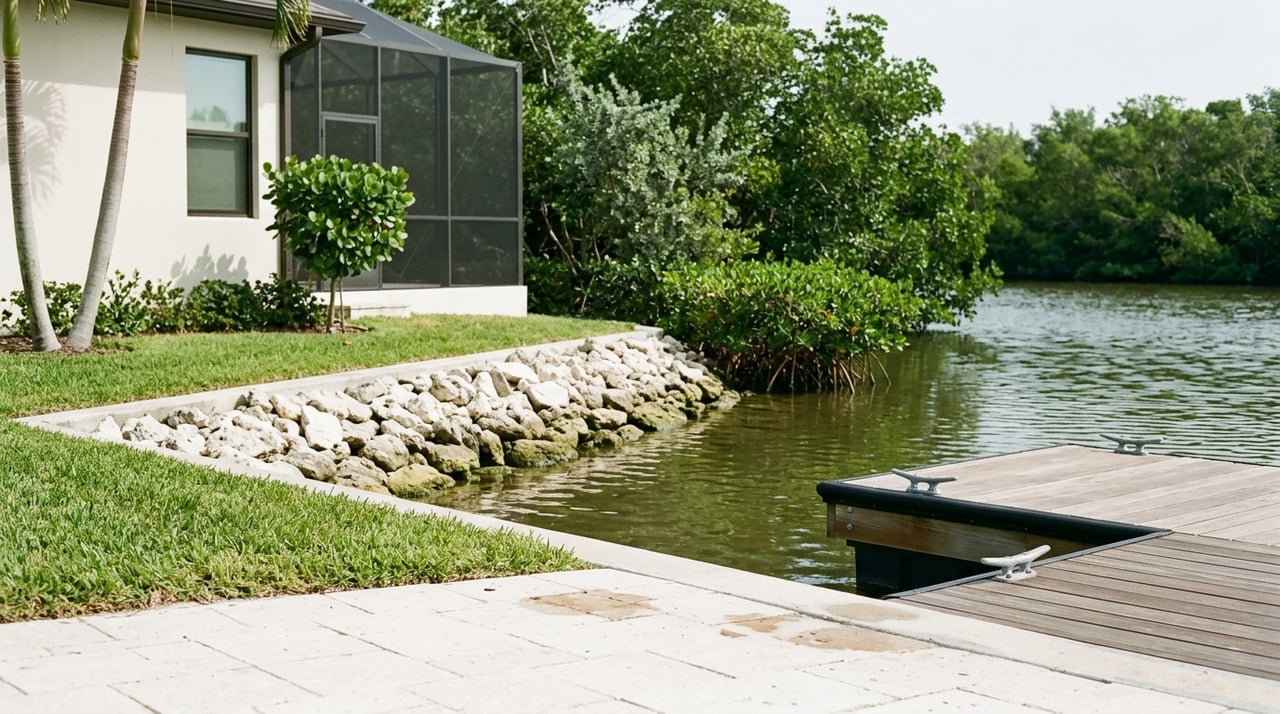
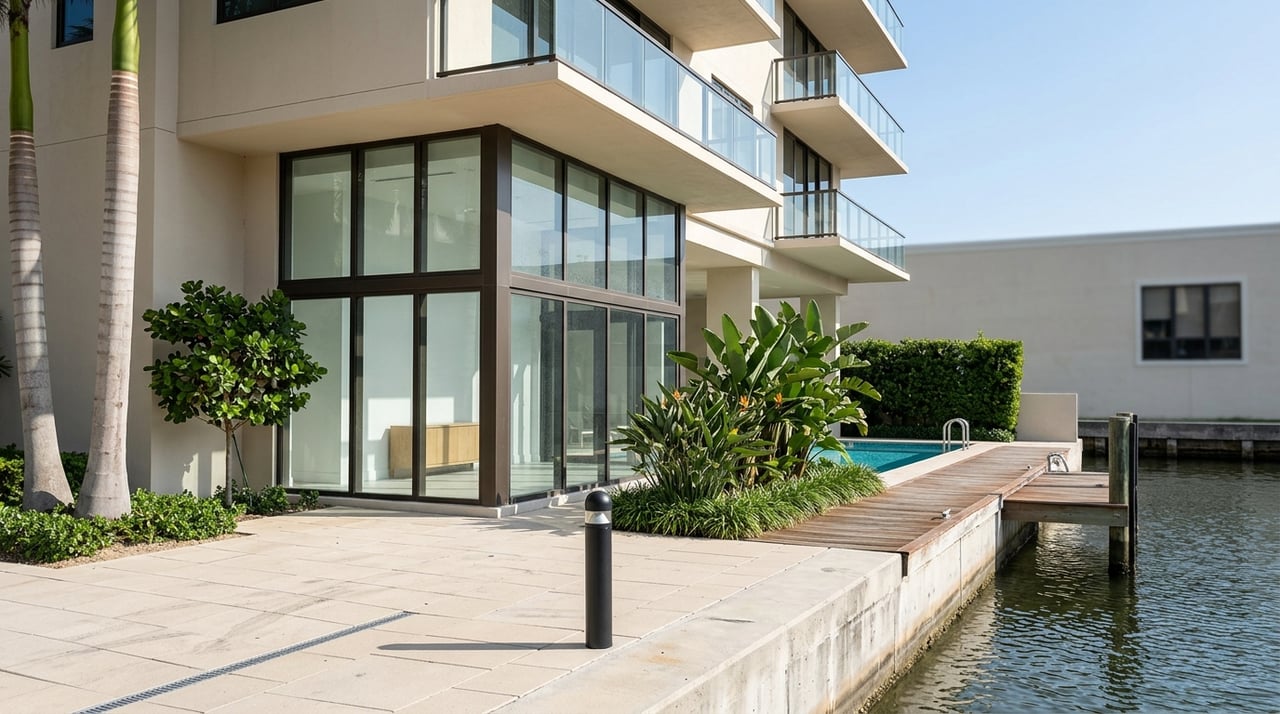
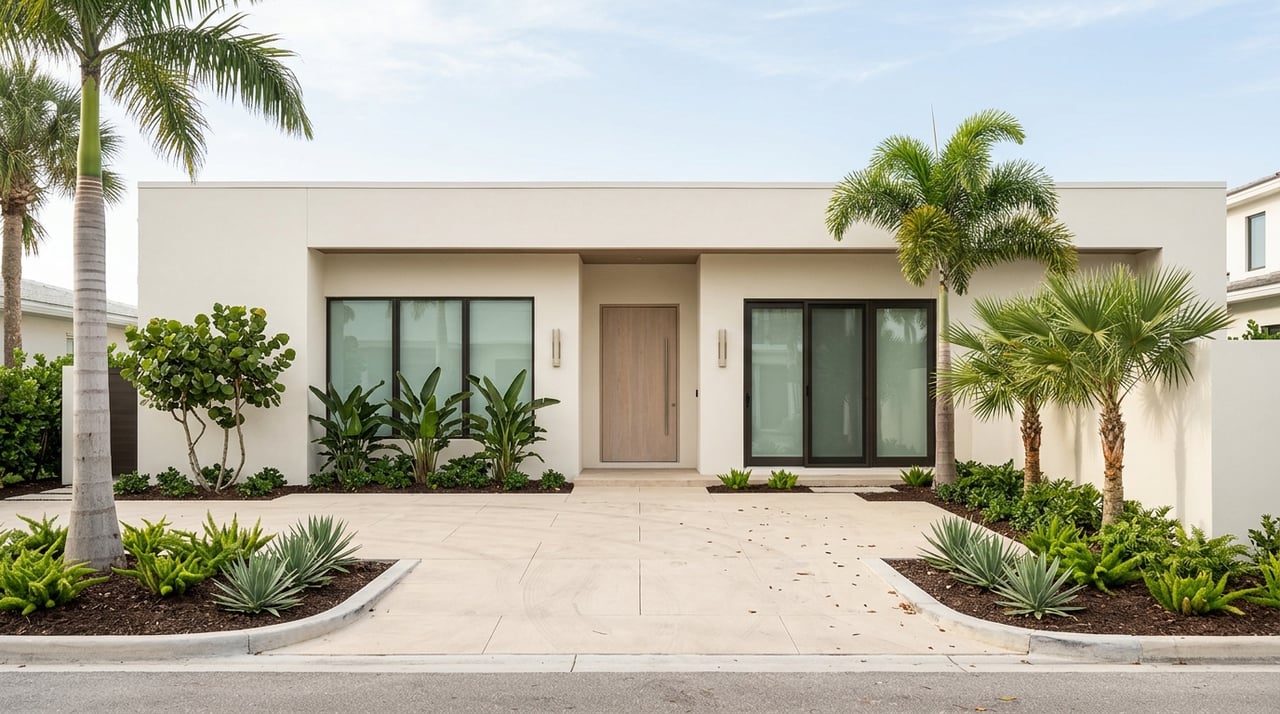
For a Cape Coral waterfront home, that means your prep should begin with what buyers will see first. The exterior, canal or river view, lanai, pool area, and dock should all feel clean, open, and easy to picture enjoying.
NAR also reported that 83% of buyers’ agents said staging made it easier for buyers to visualize the property as a future home. That matters even more when your home’s value includes both the house itself and the waterfront lifestyle it offers.
Focus on the Water View
Your view is one of your biggest selling points, so avoid anything that competes with it. Clear away extra furniture, faded décor, stacked gear, and anything bulky on the lanai, patio, or dock.
Trim landscaping if it blocks sightlines from key windows or outdoor living areas. Clean glass, railings, and pool enclosures so the water stays front and center in photos and during showings.
Keep Staging Simple
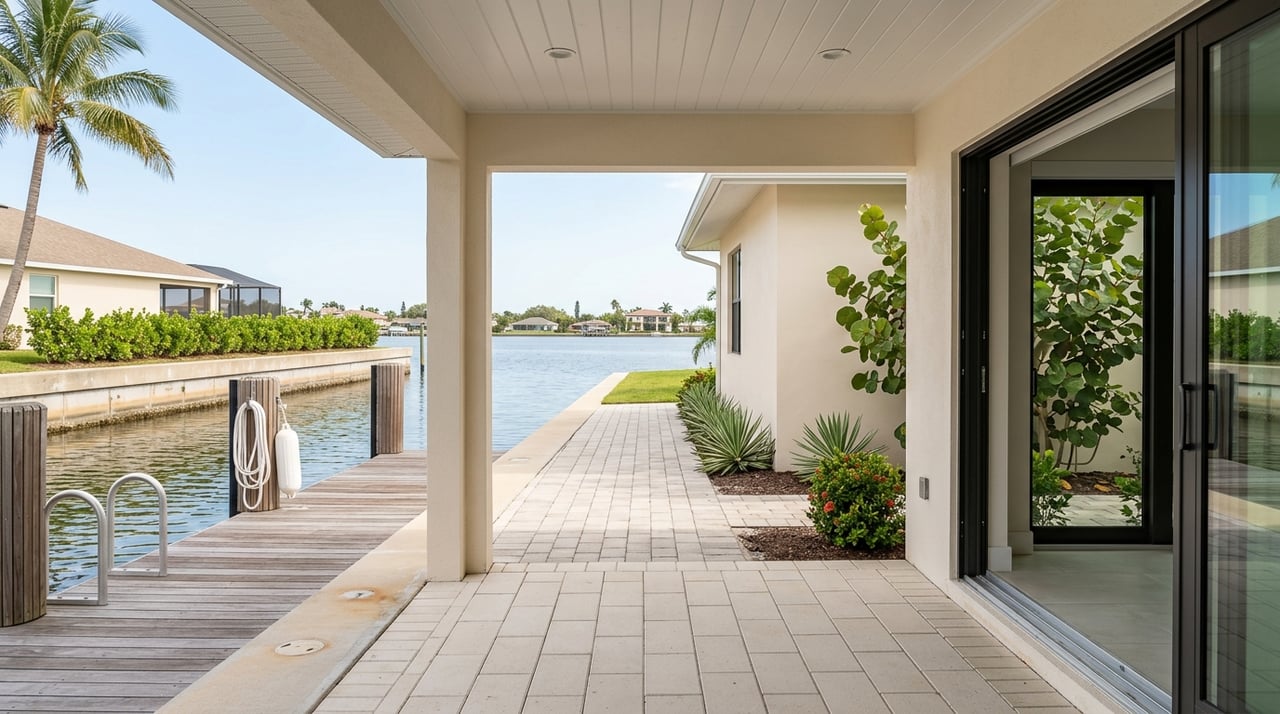
Waterfront staging works best when it feels light and uncluttered. Buyers should be able to move through the home and immediately understand how the indoor and outdoor spaces connect.
You do not need to overdecorate. In many cases, a simpler setup helps buyers focus on the layout, natural light, and boating access rather than your personal style.
Tackle Exterior and Marine Features Early
Cape Coral buyers often pay close attention to exterior condition and marine improvements. If your home has a dock, boat lift, seawall, shutters, roof updates, pool work, or other major exterior improvements, it helps to review those items before your home hits the market.
Cape Coral’s permit resources include categories for Dock, Seawall, Windows/Doors/Shutters, Re-Roof, Electrical Service, Pool, Fence, Landscaping, and more. That makes pre-listing permit review an important part of waterfront sale prep.
Exterior Waterfront Prep Checklist
Use this list as a starting point:
- Pressure wash driveways, walkways, pool decks, and dock surfaces
- Clean windows, sliders, and any glass facing the water
- Touch up exterior paint where needed
- Remove rust-stained, worn, or broken outdoor items
- Check visible signs of moisture, corrosion, or deferred maintenance
- Clear excess marine gear from the dock and yard
- Trim landscaping to improve curb appeal and preserve water views
- Make sure the water-facing side of the home looks camera-ready
These items can improve both photography and in-person showings. They also help buyers feel that the home has been cared for.
Gather Permit Records Before Listing
One of the smartest things you can do before selling is organize your paperwork. In Cape Coral, this is especially important for waterfront homes because buyers may ask detailed questions about marine improvements and exterior work.
A clean file of permits and final records can help reduce friction once your listing is live. It also makes it easier to answer questions quickly and confidently.
What Records to Pull Together
Try to gather:
- Permits for dock work
- Permits for seawall work
- Permits for boat lift installation or updates
- Final inspection records
- Contractor invoices
- Surveys related to marine improvements
- Records for roof, shutters, windows, pool, or electrical work
- Any approvals tied to marine projects
Cape Coral’s permit system and document center make these records especially relevant. Buyers often want to know not just what was done, but whether it was permitted and properly closed out.
If Work Is Still in Progress
If you have active repairs or unfinished permit work, address that early. Cape Coral states that permit applications are submitted through its EnerGov Self-Service Portal, permit status and inspections can be tracked online, and a copy of the building permit must remain on site until the project is complete.
That means incomplete projects are not something to leave vague until a buyer asks. It is better to understand the status upfront so you can resolve or clearly explain it before negotiations begin.
Verify Boat Lift and Seawall Paperwork
Boat lifts and seawalls can be major value drivers for a Cape Coral waterfront property. They can also create extra questions if the documentation is incomplete.
Cape Coral’s residential boat-lift guideline states that a separate electrical permit is required for lift wiring. The city also requires a final signed-and-sealed survey before final inspection for that type of work.
For residential seawall work, Cape Coral’s guideline calls for a Marine Improvement application, site plans, structural details, and, depending on the site, DEP approval or other agency approval. If your home has had seawall work done, having these records ready can make a real difference.
Marine Documents to Keep in One Folder
Create one digital folder with:
- Boat lift permits
- Electrical permits for lift wiring
- Final surveys
- Seawall permits
- Site plans and structural details
- Final sign-offs and inspection records
- Contractor invoices and repair history
- Any agency approvals tied to the project
When buyers ask about dock condition, lift function, or seawall history, organized records help you respond without delay.
Prepare Flood-Related Documents
Flood disclosure is not optional in Florida. State law requires a seller of residential real property to complete and provide a flood disclosure at or before contract execution.
The statute also states that homeowners insurance does not cover flood damage and asks sellers to disclose known flooding, flood claims, and flood-related assistance. For waterfront sellers in Cape Coral, this should be part of your prep well before a contract is signed.
Flood Prep Checklist
Gather these items before listing:
- Your current flood insurance declarations, if applicable
- Records of known flooding events
- Flood claim history
- Documentation of flood-related assistance, if any
- Records of storm-related repairs
- Documentation for mitigation work or protective improvements
If there were storm repairs that were never permitted or never fully completed, identify that early. It is easier to resolve or disclose these issues before your home goes active than during escrow.
Use a 6 to 12 Month Prep Timeline
If you have the luxury of time, start early. A 6 to 12 month prep window gives you room to organize records, handle repairs, and improve presentation without feeling rushed.
The best order is to start with items that are both visible and document-heavy. For a Cape Coral waterfront home, that usually means permits, dock and lift condition, seawall review, and any obvious moisture or corrosion issues.
Best Order of Operations
1. Clean Up Paperwork
Begin by pulling permit records, invoices, surveys, and final inspections. This step can uncover missing items while you still have time to track them down.
2. Review Marine Features
Look closely at your dock, boat lift, and seawall. If something needs repair, maintenance, or clearer documentation, handle it before marketing begins.
3. Fix Visual Distractions
Move on to lower-cost improvements that help photos stand out. Pressure washing, glass cleaning, exterior touch-ups, and trimming for better sightlines can go a long way.
4. Stage the Outdoor Spaces
Set up the lanai, patio, pool deck, and dock so they feel open and useful. The goal is to help buyers imagine relaxing, entertaining, and enjoying the water.
5. Do a Final Camera-Ready Pass
Before photos are taken, do one last walkthrough focused on the water-facing side of the property. Since the lead photo shapes buyer expectations, your strongest visual story should be ready from the start.
Why This Prep Matters in Cape Coral
Cape Coral waterfront homes are often judged on more than interior finishes. Buyers may be comparing boating access, waterfront presentation, and the condition and history of improvements that support the lifestyle.
When your home looks polished and your records are organized, buyers can focus on the opportunity instead of the unknowns. That can lead to better engagement, smoother conversations, and a more confident sale process.
If you are thinking about selling, working with a local waterfront specialist can help you prioritize what matters most before your listing goes live. For tailored guidance on preparing your property, connect with Heather Porrett.
FAQs
What should I fix first before selling a Cape Coral waterfront home?
- Start with permit records, dock or lift condition, seawall documentation, and any obvious exterior maintenance issues because these are highly visible and often raise buyer questions.
What permit records should I gather for a Cape Coral waterfront sale?
- Collect permits, final inspections, contractor invoices, surveys, and related approvals for dock, seawall, boat lift, roof, shutters, windows, pool, and electrical work if those improvements were made.
What flood documents do sellers need for a Cape Coral home sale?
- Florida sellers should be ready with flood disclosure information, including known flooding history, flood claims, flood-related assistance, and supporting records such as flood insurance declarations and storm repair documentation.
How should I stage a waterfront outdoor space in Cape Coral?
- Keep the lanai, patio, pool area, and dock clean and uncluttered so buyers can focus on the view, layout, and connection to the water.
Do boat lifts and seawalls need special paperwork in Cape Coral?
- Yes, Cape Coral has specific permit and documentation requirements for residential boat lifts and seawalls, so it helps to have related permits, surveys, inspection records, and approvals organized before listing.