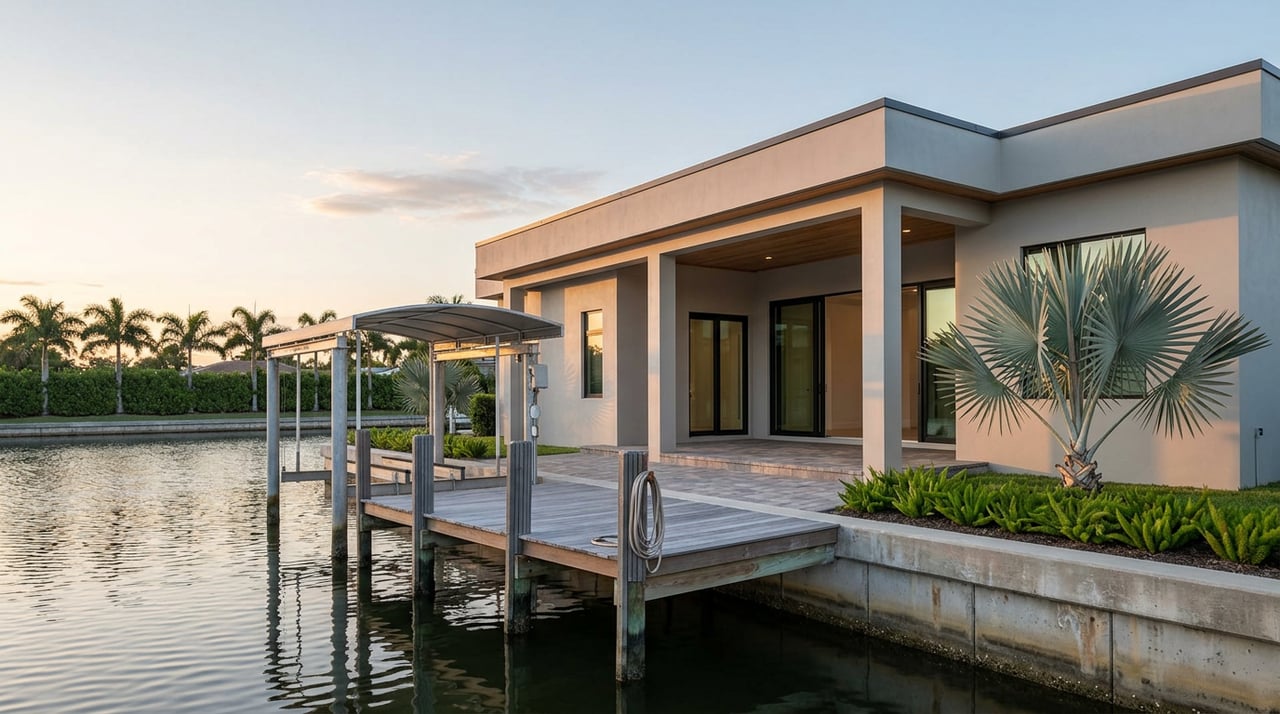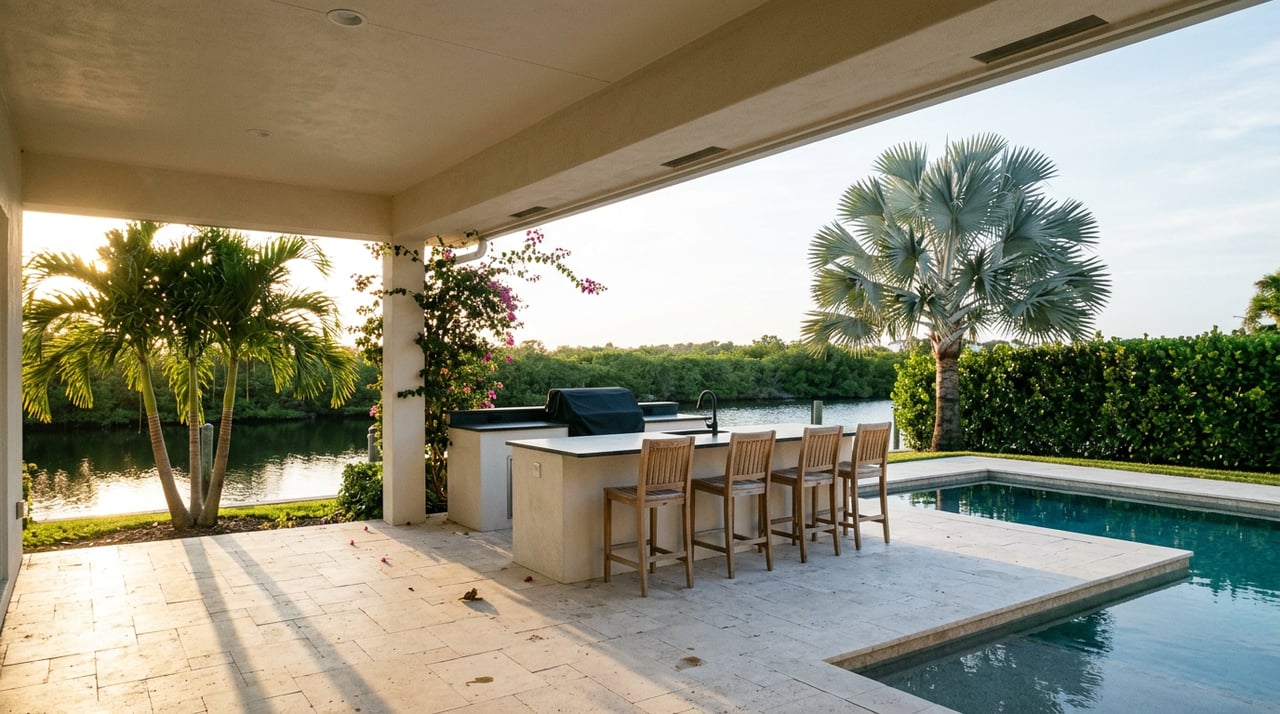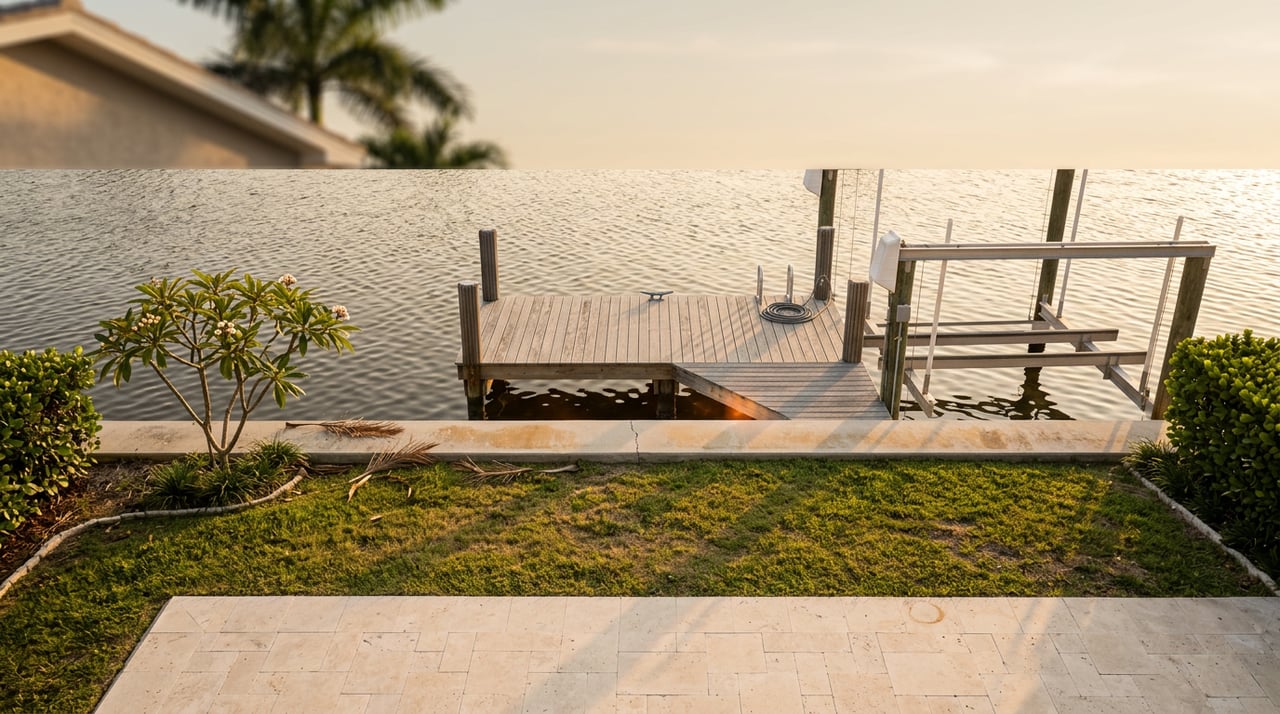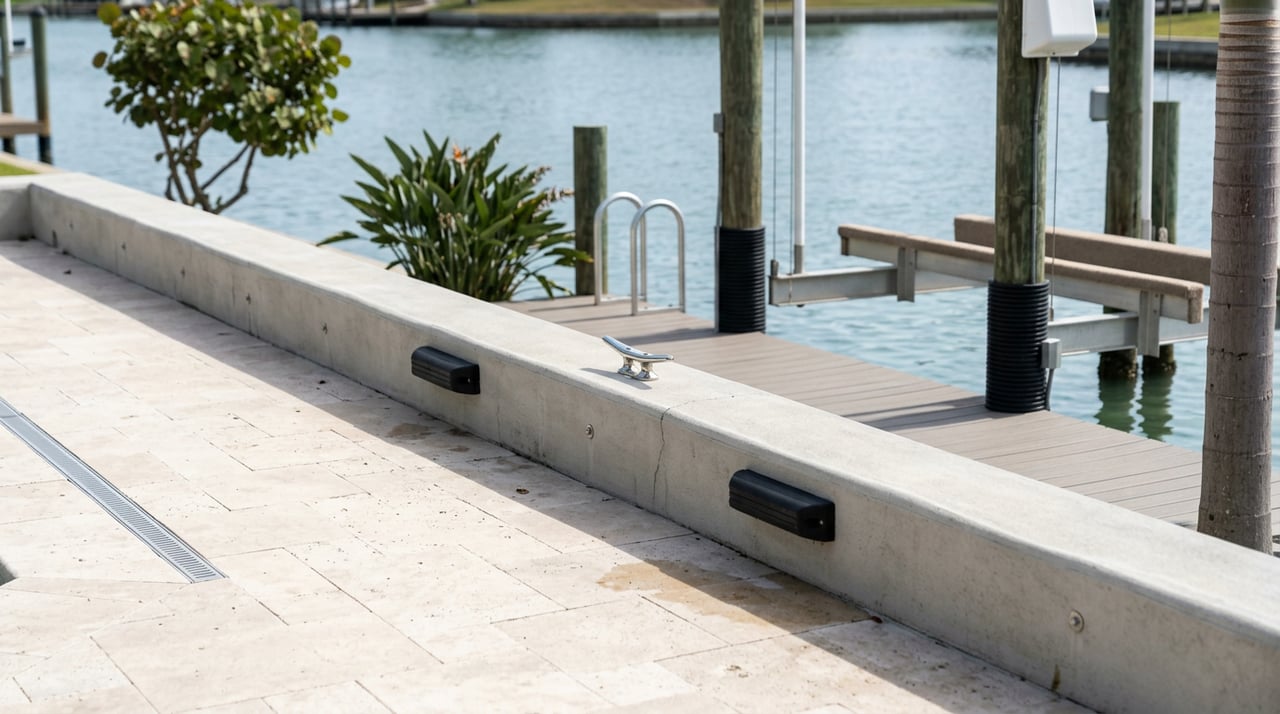
Thinking about selling your Cape Coral waterfront home? On the water, timing hinges on more than great photos and price. Seawalls, docks, permits, flood items, and title details can shape your schedule and your bottom line. In this guide, you’ll see a clear, step-by-step timeline tailored to Cape Coral, what usually adds weeks or months, and smart moves to keep your sale on track. Let’s dive in.
What really sets your timeline
Your sale timeline usually comes down to four parts:
- Preparation before you list. How quickly you organize inspections, documents, and light repairs.
- Time on market. Pricing, condition, and buyer demand for your price tier.
- Contract to close. Financed deals typically need 30 to 45 days for appraisal, underwriting, title, and insurance items, while cash can move faster. Industry guidance places many purchase loans near this window, so plan accordingly. See the typical financed window in this overview of closing timelines from a national lender’s resource on how long closing takes. Typical financed closing window.
- Waterfront variables. Seawall or dock repairs and any in-water work that needs state or federal review can be the biggest wild cards.
Step-by-step timeline for Cape Coral sellers
1) Pre-list preparation: 1 to 8+ weeks
Use this phase to prevent surprises later. Schedule a general home checkup and a focused review of the seawall, dock, and lift. Gather any existing permits, contractor invoices, warranties, surveys, and recorded agreements for shared marine improvements.
Ask your agent to check your property’s permit history in the City of Cape Coral’s system so you know what was pulled, inspected, and closed out. You can view the City’s permitting resources here: Cape Coral Permitting Services. Declutter, handle easy fixes, and line up professional photos and video.
Why this matters: Having inspection reports and permit files ready tends to shorten negotiations and reduces last-minute delays.
2) Listing to accepted offer: 2 to 12+ weeks
On-water listings move at different speeds depending on price, condition, and access type. A well-priced Gulf-access home in move-in shape can attract offers quickly. Unique or higher-priced properties can take longer. Set expectations for several weeks on market and review pricing regularly with your agent based on fresh comps.
3) Contract to close: 30 to 45 days is common with financing
Once you accept an offer, multiple tracks run at once:
- Buyer inspections. Many buyers inspect within the first 1 to 2 weeks.
- Appraisal and underwriting. Lenders order the appraisal, then complete income, asset, and property review.
- Title search and insurance. Title runs in the background and flags any issues that need clearing.
- Insurance. The buyer secures homeowners and, if required, flood insurance.
Most financed purchases close in about 30 to 45 days, depending on the loan type and whether appraisal or title issues arise. See typical closing windows in this lender guide to how long closing takes: Financed closing timelines.
4) If seawall or dock work is needed: often add 1 to 3+ months
Waterfront work can be the biggest time add. In Cape Coral, seawalls, docks, and lifts may involve City permits and, in many saltwater cases, state or federal review.
- State review. The Florida Department of Environmental Protection (FDEP) often verifies exemptions or issues environmental resource permits. Typical verification reviews are about 30 days. FDEP review time and process.
- Federal review. If federal jurisdiction applies, the U.S. Army Corps of Engineers review can take up to about 60 days, sometimes longer based on complexity. When federal review applies.
- City permit steps. Marine improvements require City permits and inspections. City seawall guidance also notes that saltwater projects need the appropriate DEP documentation. Cape Coral Seawall Guidelines.
- Contractor scheduling. Even small repairs can be delayed by contractor backlog and mobilization needs. Why scheduling adds time.
Together, design, permits, reviews, and contractor scheduling commonly add 1 to 3 months or more to a sale if you need in-water work. If a full seawall replacement is required, build in extra time.
5) Title and survey items: usually inside escrow, 1 to 4 weeks
Title searches typically run during escrow and flag liens, easements, and permit-related items. With waterfronts, two issues appear more often:
- Joint marine improvements. Some shared docks or canopies require recorded agreements that must be produced for clean title. Cape Coral Land Development Code reference.
- Final surveys for marine improvements. Projects that extend into canals may require signed and sealed final surveys for compliance. Keep these on file if you have them.
Timeline scenarios at a glance
Fast path, no waterfront repairs. You prepare, price well, and the buyer is cash or highly qualified. Expect a few weeks on market and a short escrow. Financed closings often take 30 to 45 days. Closing timelines overview.
Typical path, light fixes, financed buyer. Allow 2 to 8+ weeks to secure the right offer, then 30 to 45 days to close. Handle any agreed repairs during the inspection window.
Permit path, seawall or dock work needed. Add at least 1 to 3 months for permits and environmental verification. FDEP reviews often run about 30 days and U.S. Army Corps reviews can be about 60 days when required. State and federal timing.
Waterfront details that often affect speed
Seawall condition and documentation
Seawalls are a top concern for buyers and lenders. A recent inspection or engineer report, plus invoices for any permitted repairs, helps prevent renegotiation. Lifespans vary by materials and maintenance, and routine professional inspections are recommended. Learn more about typical seawall lifespans and upkeep here: Seawall lifespan basics.
Tip: If you suspect issues, get at least two marine contractor opinions before listing so you can decide to repair, credit, or price accordingly.
Dock, lift, and electrical permits
Cape Coral regulates marine improvements, including docks, lifts, davits, and boat canopies. Some elements, like lift power, require separate electrical permits and inspections. Certain projects also require final surveys. Review the City’s rules here: Marine improvements and permitting standards and the City’s permitting resources. If you completed recent work, have your closed permits and final inspections ready for buyers.
Flood insurance and elevation certificates
If a buyer’s loan is secured by a building in a FEMA Special Flood Hazard Area, lenders typically require flood insurance. An Elevation Certificate, prepared by a licensed surveyor or engineer, may be needed for accurate flood policy rating and may be requested during underwriting. Review the interagency flood insurance guidance here: Flood insurance and lender requirements. Gather any past Elevation Certificates and flood policy records early.
Mangroves and protected vegetation
If your shoreline includes mangroves, trimming or removal is regulated. Many situations require FDEP authorization. Starting work without permission can trigger restoration orders and fines. See homeowner guidance here: FDEP mangrove permitting.
Seasonal and wildlife windows
Florida has timing windows for in-water work to protect species such as sea turtles and manatees. Depending on your canal and scope of work, these seasonal windows can limit when contractors can be in the water or require specific methods that add time and cost. Build this into your planning. Overview of typical environmental timing and review steps: UF/IFAS guidance on permitting and timing.
Common sale-stoppers and how to stay ahead
- Major seawall replacement required. If an engineer calls for replacement, plan for design, permitting, state and possibly federal review, and contractor scheduling. This often adds months. Permit timing overview.
- Missing elevation certificate or flood policy details. Lenders may require timely flood documentation. Ordering an Elevation Certificate or resolving flood-zone questions can add weeks if left late. Flood insurance Q&A.
- Unrecorded or unclear shared-dock agreements. Cape Coral may require recorded instruments for some joint marine improvements. Clear these items to avoid title delays. City land development standards.
- Contractor backlog. Even simple fixes can wait for open slots. Get multiple bids, confirm earliest start dates, and lock in schedules in writing. Why schedules slip.
- Seawall age uncertainty. If you cannot document condition, buyers may discount heavily. A current inspection and any repair invoices help restore confidence. Seawall age and maintenance basics.
How Heather keeps your sale on schedule
Selling on the water takes a steady hand. You get organized, white-glove management and targeted marketing plus practical waterfront know-how.
- Timeline mapping. A clear plan from photos to closing, with check-ins and contingency paths if permits are needed.
- Permit file audit. Pulls City permit history and identifies any missing finals or paperwork early. Cape Coral permitting resources.
- Vendor coordination. Referrals to trusted marine inspectors and contractors, and help comparing bids and start dates.
- Flood and insurance prep. Guidance on which documents buyers and lenders will likely request and when to order them. Flood insurance lender requirements.
- High-visibility marketing. Boutique positioning with regional reach designed to attract local boaters and out-of-area buyers.
- Contract-to-close discipline. Proactive follow-up on appraisal, title, insurance, and repairs so nothing slips through.
Ready to talk strategy, timing, and next steps for your specific property? Connect with Heather Porrett to map your best path to market.
FAQs
How long does it take to sell a Cape Coral waterfront home?
- Many financed sales close about 30 to 45 days after contract, and your overall timeline depends on prep, time on market, and whether waterfront repairs or permits are needed. See typical financed closing windows here: Contract-to-close timing and permit timing here: FDEP and Corps review windows.
What should I do before listing a waterfront home in Cape Coral?
- Gather permits, surveys, and any seawall or dock repair invoices; confirm permit history with the City; consider a seawall inspection; and complete light maintenance and staging. Start here: Cape Coral permitting resources.
Do I need permits for docks, lifts, or seawalls before I sell?
- The City regulates marine improvements and, in many saltwater cases, requires proof of FDEP verification or permits; lift power often needs a separate electrical permit and some projects require final surveys. See City standards: Marine improvements and permitting and Seawall guidance.
How do flood insurance and elevation certificates affect my buyer’s loan?
- If a structure is in a FEMA Special Flood Hazard Area, lenders typically require flood insurance and may request an Elevation Certificate to rate a policy; resolving this early helps underwriting. Learn more: Flood insurance Q&A.
Can I trim mangroves to improve views before listing photos?
- Mangrove trimming or removal is regulated and often requires FDEP authorization; get guidance and approval before you start any work. See: FDEP mangrove permitting.
What if my seawall needs major work during the sale?
- Large repairs or replacements usually require design, permits, and possibly state and federal review, which often adds months; discuss pricing, credits, or timing strategies with your agent. Overview: Permit and review timing.